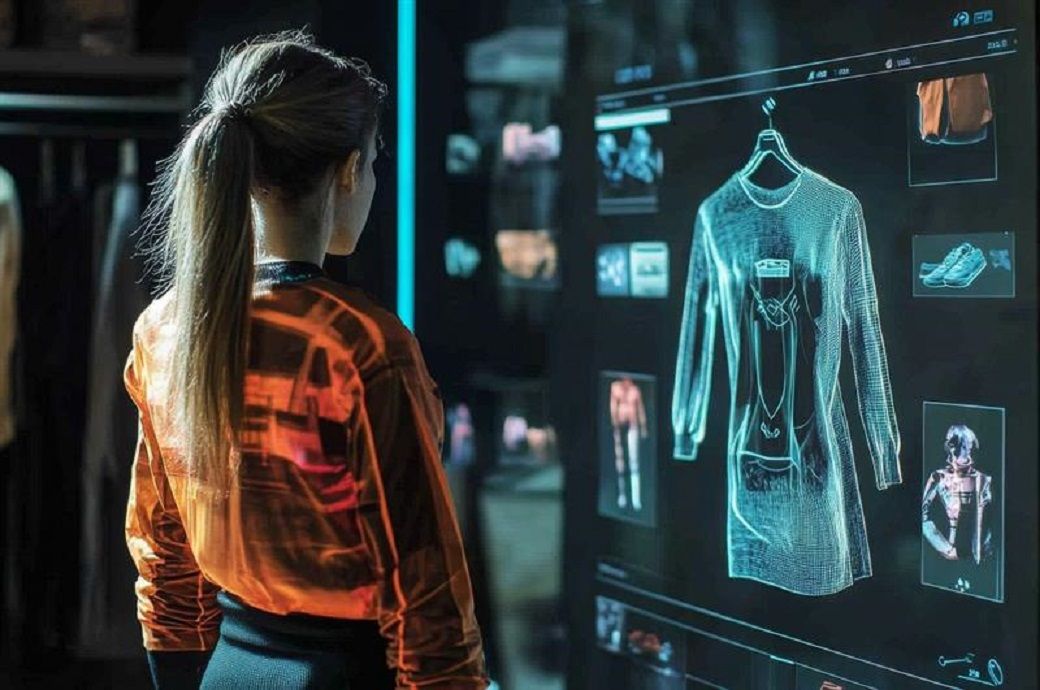
First Insight has released new findings on how consumers perceive the rising use of digital twins in retail. The new research reveals that nearly half (48 per cent) of consumers say they’ve never heard of a digital twin before. The study is based on responses from 1,303 US consumers aged 18 to 80+.
Many retailers are using digital twins as a faster, more scalable way to deliver personalised experiences to their customers. But, using these virtual representations of customers to guide decisions and make predictions around everything from products and pricing to inventory and marketing–without ever involving the real customer–is not only largely inaccurate, but can cause brands to lose significant customer trust. More than three-quarters (77 per cent) of consumers say they value authentic, direct communication from brands more than efficiency or automation in how they gather feedback.
The study also underscores the commercial and reputational risks of replacing real customer input with simulated feedback. Sixty-nine per cent (69 per cent) of consumers describe themselves as ‘extremely’ or ‘very’ protective of their personal data. Once shoppers learn that brands may model or monetise them without their consent, 58 per cent say they would become detractors—either less likely to recommend a brand or actively warn others against purchasing from it. Plus, while Gen Z shoppers may not drive the majority of revenue today, they’re the most likely to take action to voice their frustration: 56 per cent say they would contact the brands directly, while 54 per cent would share articles exposing the practice, and 53 per cent would post about it on social media, the survey revealed.
First Insight works with major retailers and brands to help them understand consumer preferences, what shoppers value and the motivations behind their purchasing decisions. The company recommends that retailers engage directly with consumers to guide product testing, pricing, demand forecasting and marketing strategies, as doing so preserves customer trust while improving prediction accuracy.
Consumers overwhelmingly prefer real human input over AI-generated simulations. More than half want brands to ask them directly about their preferences, while only 8 per cent favour AI-simulated feedback. Trust drops sharply when brands rely on synthetic personas—42 per cent say they would lose trust or stop buying altogether. The highest-spending generations, Boomers and Gen X, are the most likely to reduce or end purchasing if brands use digital twins, posing major revenue risks. Even tech-savvy Gen Z rejects simulations once they understand the implications: concerns centre on lack of consent and loss of human connection. After learning this, over half of Gen Z would switch brands or even encourage boycotts. Ultimately, consumers across demographics want authentic human interaction, with 91 per cent saying genuine human response is important to their brand relationships.
“When retailers cut customers out and rely on synthetic replicas instead, trust collapses. You cannot claim to know your customer while replacing them with a model of themselves,” said Greg Petro, CEO of First Insight. “Consumers aren’t anti-technology, or anti-AI, they’re anti being modeled, simulated and monetised without their consent. The path forward is clear: engage real consumers in real time, reward their input and build AI that strengthens—not replaces—authentic human feedback.”
ALCHEMPro News Desk (RR)
Receive daily prices and market insights straight to your inbox. Subscribe to AlchemPro Weekly!
 marketing@alchempro.com