



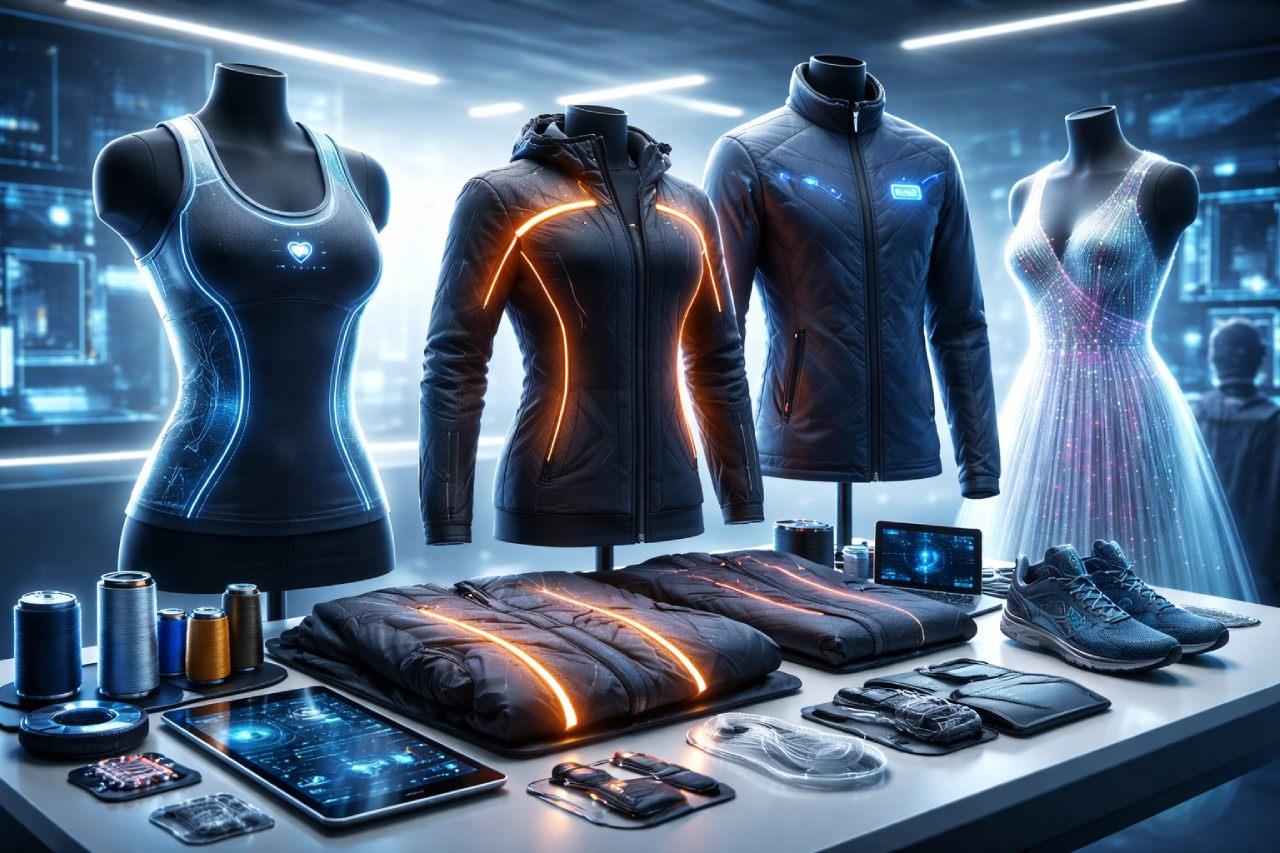
Fashion has always been more than fabric. It has been a language of identity, culture, and innovation. From the invention of synthetic fibres in the 20th century to the rise of sustainable materials today, each era has introduced breakthroughs that reshaped how people dress. Now, the spotlight is on smart textiles, a fusion of design and technology that is transforming apparel into something dynamic and interactive.
Unlike traditional garments that serve primarily aesthetic or protective purposes, smart textiles bring functionality and intelligence into everyday clothing. Imagine a shirt that monitors the heart rate during a morning jog, a jacket that warms itself on a cold evening, or a dress that changes colour to match the wearer’s mood. These are not futuristic fantasies; they are real innovations already making their way into wardrobes.
The global market for smart textiles is experiencing rapid growth. Estimated to be worth between $2 billion and $6 billion during 2023–2025, it is projected to expand at a strong compound annual growth rate (CAGR) ranging from 20 per cent to 30 per cent, fuelled by advances in the Internet of Things (IoT), wearable technology, and healthcare-driven applications. In terms of regional distribution, North America accounted for nearly half of the market share in 2022, at 48.4 per cent, underscoring its leadership in adopting and commercialising smart textile innovations.
Smart textiles are significant because they connect two distinct domains: the fashion industry’s focus on creativity and self-expression, and the technology sector’s emphasis on utility and connectivity. Together, they are redefining apparel as more than something worn, positioning it as an active participant in everyday life.
What Are Smart Textiles?
Smart textiles, often referred to as electronic textiles (e-textiles), are fabrics engineered to incorporate advanced technologies such as sensors, conductive threads, microchips, or responsive fibres. Unlike wearable gadgets that are added onto clothing, smart textiles integrate technology directly into the fabric, making it seamless, lightweight, and comfortable.
They can be classified into two broad categories:
- Passive Smart Textiles: These react to external conditions without altering their structure. Examples include fabrics that block harmful UV rays, moisture-wicking sportswear, or materials that resist stains.
- Active Smart Textiles: These go a step further by embedding electronics that allow fabrics to sense, store, and transmit information. Examples include shirts with biometric sensors, jackets with built-in heating systems, or dresses woven with fibre optics for visual effects.
The technology behind smart textiles is diverse:
- Conductive fibres allow electricity to flow through fabric without compromising softness.
- Phase-change materials regulate temperature by absorbing and releasing heat.
- Shape-memory alloys enable fabrics to change form or stiffness when triggered.
- Nanotechnology enhances durability, water resistance, and antibacterial properties.
What makes smart textiles revolutionary is their ability to merge comfort, style, and intelligence. Unlike bulky gadgets, they feel natural to wear, yet they expand the possibilities of what clothing can do.
Applications in Modern Apparel
1. Health and Fitness Wear
Smart textiles are transforming activewear into personal trainers.
Example: Compression shirts with embedded biometric sensors can measure heart rate, oxygen levels, and muscle exertion during workouts. Some brands have even developed yoga pants that vibrate gently to correct posture.
Benefit: Athletes and fitness enthusiasts receive real-time feedback without bulky devices, helping them improve performance and reduce injury risks.
2. Temperature Regulation
Adaptive clothing is redefining comfort in unpredictable climates.
Example: Ski jackets with phase-change materials store body heat during activity and release it when the wearer cools down. Similarly, smart blankets and coats use conductive threads to provide adjustable warmth powered by small batteries.
Benefit: Wearers stay comfortable across varying environments, reducing the need for multiple layers and making outdoor apparel more versatile.
3. Fashion and Aesthetics
Designers are embracing smart textiles to create garments that interact with surroundings.
Example: Evening gowns woven with fibre optics can glow in different colours, while experimental fabrics shift patterns when exposed to sunlight or touch. Some runway collections have featured dresses that ‘breathe’ with subtle movements, creating a living effect.
Benefit: Apparel becomes a canvas for artistic expression, offering consumers unique, customisable looks that change with mood or occasion.
4. Medical Applications
Healthcare apparel is becoming more proactive with smart textiles.
Example: Hospital gowns with integrated sensors can monitor vital signs continuously, transmitting data to medical staff. Smart socks for diabetic patients detect pressure points to prevent ulcers.
Benefit: Patients gain discreet, non-invasive monitoring, reducing hospital visits and enabling early detection of health issues.
5. Safety and Workwear
Smart textiles enhance protection for workers in hazardous environments.
Example: Firefighter uniforms with heat-resistant sensors alert wearers when temperatures reach dangerous levels. Construction vests with GPS and motion sensors can detect falls and send emergency signals.
Benefit: These innovations improve workplace safety, ensuring faster response times and reducing risks in high-stress professions.
6. Military and Defence Apparel
Smart textiles are also being tested in defence sectors.
Example: Camouflage uniforms that adapt to surroundings using colour-changing fibres, or fabrics that monitor soldiers’ hydration and fatigue levels.
Benefit: Enhanced protection and situational awareness improve performance in demanding environments.
7. Sustainable Fashion
Smart textiles are contributing to eco-conscious design.
Example: Fabrics that adjust to temperature reduce the need for multiple seasonal wardrobes, while self-cleaning textiles minimise water use in laundry.
Benefit: Consumers enjoy convenience while reducing environmental impact, aligning fashion with sustainability goals.
Challenges
While promising, smart textiles face several challenges that must be addressed before they become part of everyday wardrobes.
1. Durability
- Smart textiles must withstand everyday wear and tear, including stretching, friction, and exposure to sunlight.
- Ensuring that embedded electronics remain functional after repeated use is a key challenge.
2. Washability
- Many smart garments require special care or removable components, which can be inconvenient.
- Developing fabrics that can be washed like regular clothing without damaging sensors or circuits is essential for wider adoption.
3. Affordability
- The cost of integrating advanced technology into textiles often makes smart apparel expensive.
- For these innovations to reach mainstream consumers, production methods must become more cost-effective.
4. Comfort and Aesthetics
- Clothing must remain soft, breathable, and stylish even with embedded electronics.
- Designers and engineers are working to ensure that smart textiles feel natural and fashionable, not bulky or technical.
5. Data Privacy and Security
- Garments that collect health or location data raise concerns about how this information is stored and used.
- Protecting users from misuse of personal data is an important consideration for future development.
6. Sustainability
- Many smart textiles rely on electronic components that may not be eco-friendly.
- Advances in biodegradable electronics and recyclable fibres are helping align smart fashion with sustainability goals.
Future Outlook
As technology and fashion continue to converge, smart textiles are poised to move beyond experimental designs into everyday wardrobes. Their evolution promises not only greater convenience but also a redefinition of how clothing interacts with people’s lives.
1. Technological Advances
- Nanotechnology and self-charging fibres are paving the way for fabrics that are lightweight, durable, and energy-efficient.
- Research into self-repairing textiles could extend the lifespan of garments, reducing waste.
For instance: Schoeller Textiles developed NanoSphere technology1, a nanotech-based fabric finish that makes clothing water- and dirt-repellent while remaining breathable. This innovation uses nanostructures to mimic the self-cleaning properties of plants like the lotus leaf.
Nanotechnology, energy-harvesting fibres, and self-repairing materials are no longer just concepts. They are being tested and applied in real-world apparel, paving the way for smarter, more sustainable clothing.
2. Industry Collaboration
- Fashion houses and technology companies are joining forces to merge style with innovation.
- Luxury brands are experimenting with interactive evening wear, while sportswear companies are investing in performance-enhancing fabrics.
A notable real-world example of industry collaboration in smart textiles is the partnership between fashion house CuteCircuit2 and technology companies, where they created interactive evening wear such as the ‘Twitter Dress’ that displayed live tweets on LED-embedded fabric. Similarly, sportswear giant Nike has collaborated with tech firms3 to develop performance-enhancing apparel like self-lacing shoes and sensor-integrated training gear.
3. Mainstream Adoption
- As costs decline and durability improves, smart textiles are expected to shift from niche collections into everyday wardrobes, transitioning from runway experiments to practical, stylish garments suitable for daily wear.
- Imagine jackets that warm themselves on cold mornings, shirts that track posture during work hours, or dresses that change colour to match the mood, all seamlessly integrated into contemporary designs.
For instance: Several mainstream apparel brands, including Levi’s4 and The North Face5, have introduced jackets with built-in heating systems powered by lightweight batteries. These garments allow wearers to adjust warmth levels with a simple button or smartphone app.
4. A New Era in Fashion
- Smart textiles represent a frontier where creativity meets science, offering deeply personal and expressive possibilities that allow wearers to customise their appearance instantly while redefining fashion as a living, responsive art form.
- As a result, clothing is set to move beyond passive function, becoming intelligent, sustainable, and highly personalised, fundamentally reshaping how fashion is experienced in the years ahead.
For instance: Levi’s partnered with Google ATAP6 to create the Jacquard smart jacket, which integrates conductive fibres into denim. The jacket allows wearers to control music, receive navigation prompts, and interact with their smartphone simply by swiping or tapping the sleeve.
 marketing@alchempro.com