


In an era where fashion is increasingly consumed through screens, texture has emerged as one of the most powerful tools for creating impact. As digital images flatten garments into two dimensions, designers are responding with surfaces that demand to be felt fringe that sways, pleats that ripple, embroidery that rises from the fabric, and layered textiles that create depth.
‘Fringe benefits’ is no longer just a corporate term; it has evolved into a fashion philosophy. Textured details are redefining modern design, transforming garments from static silhouettes into kinetic expressions. Whether subtle or statement-making, texture elevates craftsmanship, enriches visual storytelling, and brings emotional resonance into clothing.
The Power of Texture in Fashion Design
Texture refers to the tactile quality of a surface, but in fashion it also functions as a visual language. It communicates mood, luxury, movement, and identity. In today’s scroll-driven culture, texture creates visual depth. It catches light differently, moves with the body, and stands out in motion—an important quality for runway presentations, social media content, and red-carpet appearances.
Textured detailing also signals authenticity and craftsmanship. Hand embroidery, woven trims, smocking, pleating, and artisanal embellishments indicate time investment and skill. As consumers become increasingly conscious of quality, origin, and sustainability, texture becomes a marker of value rather than mere decoration.
Beyond aesthetics, texture establishes emotional connection. Soft knits suggest comfort and intimacy. Metallic fringe conveys glamour and energy. Raw edges imply rebellion and modernity. Through texture, designers tell stories without relying on overt branding.
Fringe: From Subculture to Sophistication
Fringe remains one of fashion’s most dynamic textured elements. Historically associated with indigenous craftsmanship, Western wear, and the flapper dresses of the 1920s, fringe has undergone multiple reinventions. It symbolised liberation during the Jazz Age, freedom during the bohemian movements of the 1960s and 1970s, and now sophistication in contemporary luxury fashion.
Today, fringe appears in precision-cut leather strips, silk-thread tassels, metallic chains, and sustainable yarn alternatives. It is no longer confined to costume-like interpretations. Instead, it is refined, controlled, and strategically placed. Designers use fringe to introduce movement into structured silhouettes and to create layered depth without overwhelming the garment.
Fringe succeeds because of its kinetic quality. It transforms stillness into drama. With each step, it animates the body. It also allows adaptability. A full-fringe skirt makes a bold statement, while a subtle hemline trim or sleeve accent adds controlled texture. In Indian and fusion fashion, fringe integrates seamlessly into sarees, dupattas, lehengas, and even contemporary menswear shawls, bridging heritage and modernity.
Beyond Fringe: The Spectrum of Textured Details
While fringe leads many conversations around texture, it is only one of many techniques shaping contemporary design.
Pleating and smocking introduce structural texture. Pleats create architectural precision and rhythm within garments. Micro-pleats in lightweight fabrics produce fluid movement, while broader pleats in structured textiles create sculptural effects. Smocking, often executed by hand, combines elasticity with intricate detailing, offering both function and aesthetic appeal.
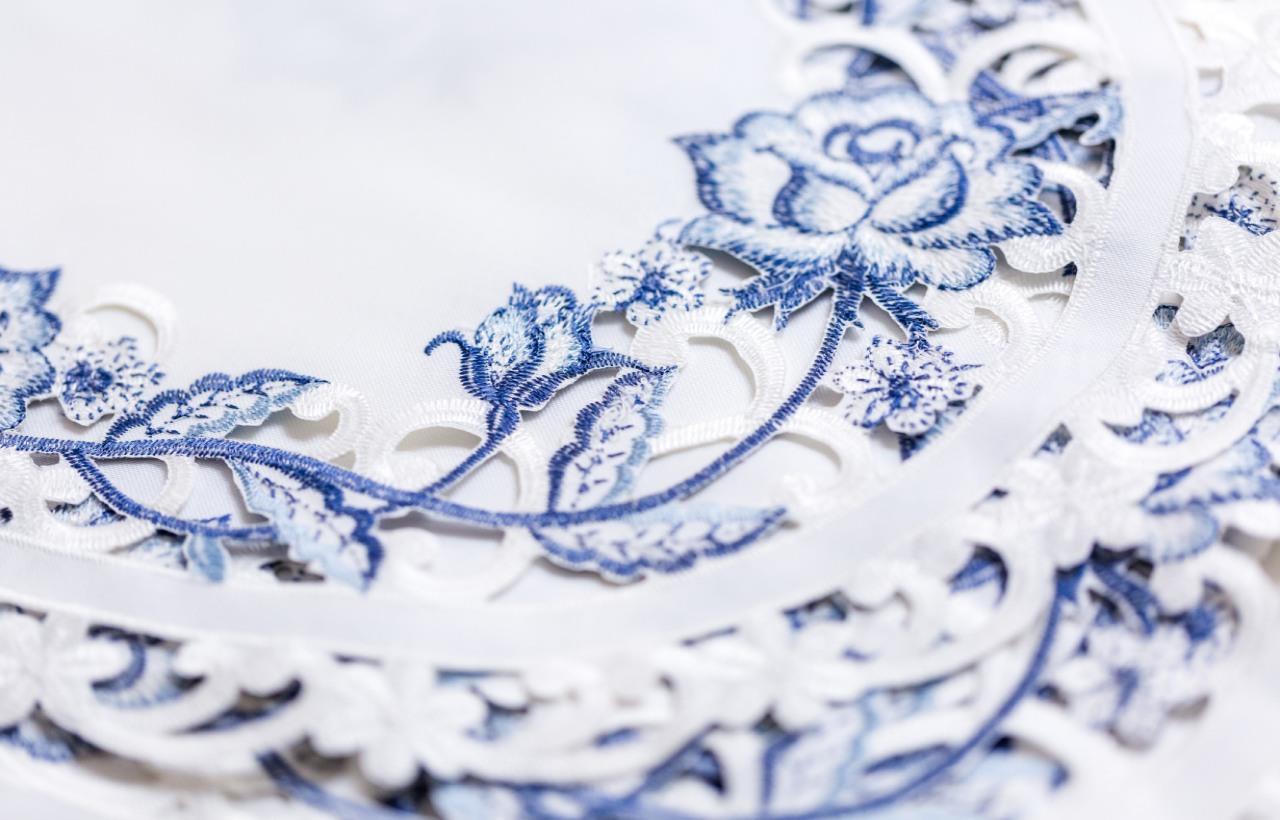
Embroidery and appliqué remain foundational to textured fashion. Raised embroidery, three-dimensional floral motifs, beadwork, and layered appliqué techniques bring tactile richness to garments. In South Asian fashion particularly, embroidery is deeply rooted in heritage. Modern interpretations lean towards tonal embroidery for understated elegance, oversized motifs for contemporary impact, and mixed-material applications that combine organza, leather, metallic threads, and silk.
Fabric manipulation offers another avenue for texture. Techniques such as ruching, quilting, gathering, folding, and draping generate dimension directly from the base textile. This approach often aligns with sustainability initiatives because it avoids excessive external embellishment. Instead, designers manipulate the inherent qualities of the fabric to create organic depth and visual interest.
Texture and the Psychology of Luxury
Luxury today extends beyond logos and brand visibility. It revolves around experience. Texture enhances that experience by increasing perceived value. Intricate surfaces suggest labour, skill, and intentional design. Consumers often associate detailed craftsmanship with premium pricing.
Textured garments also enhance sensory engagement. Even in retail environments where touching merchandise may be limited, the visual suggestion of tactility invites curiosity. In digital marketing, close-up photography of embroidery, movement-focused videos of fringe, and detailed fabric shots elevate engagement and storytelling.
In markets such as India’s growing bridge-to-luxury segment, textured detailing supports the demand for attainable glamour. Consumers seek pieces that feel elevated without being ostentatious. Texture offers sophistication without reliance on overt branding.
Strategic Incorporation: A Professional Approach
Incorporating textured details requires balance and clarity of design intent. Overuse can overwhelm the garment, while underuse may fail to create impact. Designers must begin with silhouette. If the cut is already complex, texture should be restrained. Conversely, minimalist silhouettes provide the perfect canvas for bold fringe, layered appliqué, or dramatic pleating.
Fabric compatibility is essential. Lightweight chiffons demand delicate trims and lighter fringe. Structured satins and heavier silks can support denser embellishments. Placement determines effectiveness. Hemlines are ideal for movement-driven fringe. Sleeves add drama without overpowering the body. Bodices benefit from fine detailing rather than heavy layering. Accessories such as belts, bags, or capes allow experimentation without committing the entire garment to texture.
Wearability remains a critical consideration. Texture must enhance rather than restrict movement. Weight, durability, and maintenance requirements directly influence commercial viability. Designers must account for production complexity, quality control, and packaging methods to protect embellished surfaces.
Texture in Menswear
Textured detailing is no longer confined to womenswear. Contemporary menswear increasingly embraces expressive surfaces. Fringed shawls layered over kurtas, subtly textured bandhgalas, quilted Nehru jackets, and tonal thread embroidery demonstrate a shift towards nuanced sophistication. Modern male consumers are more open to experimentation, particularly in occasion wear and fusion fashion.
Sustainability and Craft Revival
Many textured techniques rely on handwork, making them inherently supportive of artisan communities. Embroidery clusters, smocking specialists, pleating workshops, and weaving communities contribute to the richness of textured fashion. Designers who integrate these elements can simultaneously strengthen ethical positioning and preserve craft traditions.
Sustainable approaches to texture include using upcycled yarns for fringe, implementing zero-waste fabric manipulation techniques, and emphasising hand-finishing processes within brand storytelling. When communicated effectively, these efforts enhance both aesthetic value and consumer trust.
Styling Textured Garments
For stylists and editors, textured garments require thoughtful coordination. Heavy fringe pairs best with clean silhouettes. Competing patterns can dilute impact. Texture should be allowed to remain the focal point, with minimal accessories and balanced colour palettes. In photography, directional lighting enhances depth, while motion shots amplify the dynamism of fringe and layered details.
Commercial Outlook and Future Directions
From a retail perspective, garments featuring visible detailing often justify higher price points due to perceived craftsmanship. Texture provides differentiation in crowded markets and enhances in-store appeal. However, brands must manage labour costs, ensure durability, and maintain consistent quality control to sustain profitability.
Looking ahead, innovation continues to reshape textured fashion. Designers are experimenting with three-dimensional printed embellishments, laser-cut fringe alternatives, bio-fabric tassels, and responsive smart textiles that alter surface appearance. The intersection of technology and craftsmanship suggests that texture will evolve beyond ornamentation into interactive design.
 marketing@alchempro.com