



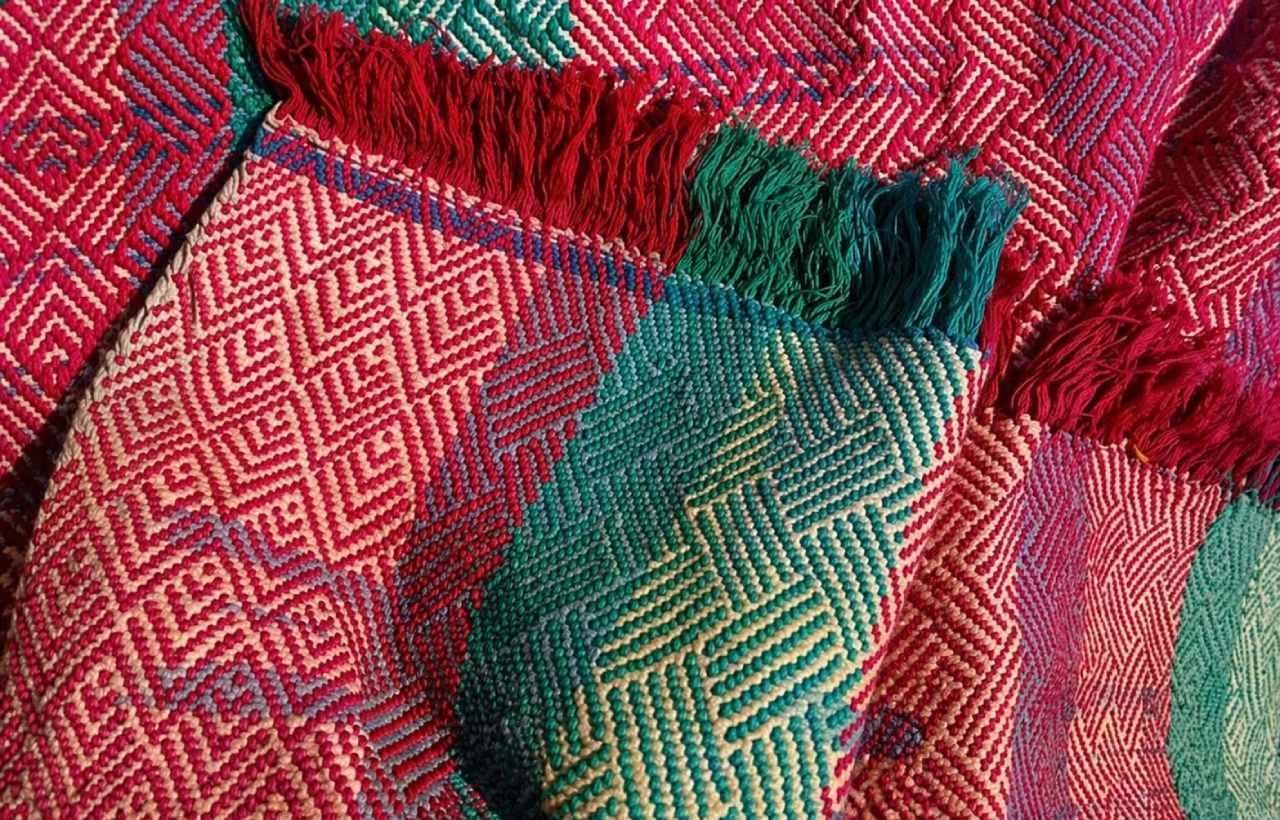
India is renowned for its diverse handicraft traditions, which reflect the cultural identity, creativity, and craftsmanship of its communities. Among these traditions, embroidery occupies a significant place as an artistic technique used to decorate textiles with intricate patterns and motifs. Across different regions of India, embroidery styles have evolved over centuries, influenced by local culture, environment, and community traditions. One such unique yet lesser known embroidery tradition is Kheta embroidery, practiced by the Shershabadi community in Kishanganj district of Bihar. Kheta embroidery represents not only an artistic expression but also an important livelihood activity for the artisans involved in the craft. The embroidery technique reflects the community’s heritage, rural lifestyle, and creative skills passed down through generations. Despite its cultural significance, Kheta embroidery remains relatively unknown outside the local region, limiting its access to broader markets and recognition. Understanding and documenting such crafts is essential for preserving cultural heritage and supporting sustainable livelihoods for artisan communities.
Bihar and its Rich Handicraft Heritage
Bihar, located in eastern India, possesses a rich cultural and historical heritage. The region has been an important centre of learning and cultural exchange since ancient times. The state is well known for its traditional handicrafts, including textiles, pottery, and metalwork. Some of Bihar’s most famous crafts include Madhubani painting, Sujani embroidery, and Tassar silk weaving from Bhagalpur. These crafts reflect the artistic traditions and craftsmanship of local communities and contribute significantly to the state’s cultural economy (Patel, 2016; Jha, 2019). However, several smaller craft traditions practiced by rural communities remain under-recognised. These crafts often struggle to gain visibility in national and international markets, despite their cultural importance and artistic value (Das, 2022). One such craft is Kheta embroidery, practiced by the Shershabadi community in Kishanganj district.
Artisan Clusters and Traditional Craft Communities
Artisan clusters play a crucial role in preserving traditional crafts. A cluster can be defined as a geographical concentration of production units located within a specific city, town, or group of adjacent villages that produce similar products and share common opportunities and challenges. These clusters often consist of artisans belonging to traditional communities who have been practicing their craft for generations. Such artisan clusters are particularly significant in the handicraft and handloom sectors, where production largely occurs within households. These clusters function as informal networks of artisans who share skills, resources, and markets. Many artisan clusters in India are centuries old and represent a living repository of traditional knowledge and cultural identity.
An example of such a cluster is the Nadiyar Cluster in Kheda district of Gujarat, which consists of more than 500 artisans and 40 self-help groups (SHGs) engaged in embroidery work. These clusters demonstrate how collective mobilisation can strengthen artisan communities and support sustainable craft production. Embroidery traditions in Gujarat, including Ari embroidery, are internationally recognised for their intricate designs and skilled craftsmanship. Artisans use a variety of stitches and decorative materials such as beads and mirrors to embellish textiles. These crafts not only preserve traditional artistic expressions but also contribute significantly to the livelihoods of artisan communities.
The Shershabadi Community and the Origins of Kheta Embroidery
Kishanganj district, located in northeastern Bihar near the borders of Bangladesh, Nepal, and West Bengal, is home to several communities with unique cultural traditions. Among them, the Shershabadi community has preserved the craft of Kheta embroidery for generations. The origins of the Shershabadi community are believed to date back to the medieval period during the reign of Sher Shah Suri (1486–1545), the founder of the Suri Empire. Historical accounts suggest that soldiers recruited by Sher Shah Suri eventually settled in various regions of Bihar, forming communities that later became known as Shershabadis (Pande, 2022; Hoque, 2015). Over time, the community developed diverse livelihood practices including agriculture, trade, weaving, and embroidery. Women, in particular, played a significant role in preserving traditional crafts. Kheta embroidery emerged as a creative and practical form of textile decoration used for both clothing and household items.
Cultural and Economic Significance of Kheta Embroidery
Kheta embroidery is deeply connected to the cultural identity of the Shershabadi community. The term ‘Kheta’, meaning field, reflects motifs inspired by nature, agriculture, and rural life. The embroidery patterns often depict flowers, plants, and geometric designs that represent the environment and everyday experiences of the artisans (Sariya, 2022). Beyond its aesthetic value, Kheta embroidery serves as an important source of livelihood for women artisans. By producing embroidered textiles such as shawls, scarves, dupattas, cushion covers, and bed linens, artisans generate income and contribute to household economic stability.
The craft also empowers women by providing opportunities for economic independence and skill development. In many rural communities, embroidery allows women to work from home while balancing domestic responsibilities. As a result, Kheta embroidery plays an important role in improving the socio-economic conditions of artisan families (Jain, 2022). Furthermore, the craft aligns with global goals such as Sustainable Development Goals (SDGs) 8 and 11, which emphasise decent work, economic growth, and sustainable communities (UNESCO, 2015). Supporting traditional crafts like Kheta embroidery helps promote sustainable livelihoods while preserving cultural heritage.
Materials and Process of Kheta Embroidery
Kheta embroidery is traditionally practiced using locally available materials and techniques. Artisans typically use old cotton sarees or lungis as base fabrics, layering them together to create quilted textiles. Cotton threads in various colours are used for stitching decorative motifs. The embroidery process begins with selecting the base fabric and preparing the layers. Traditionally, artisans use six to eight layers of cloth to create the desired thickness. The layers are then aligned and secured before stitching begins.
The next step involves marking guiding lines on the fabric to outline the intended design. These initial stitches help maintain symmetry and structure throughout the embroidery process. Artisans then create intricate patterns using running stitches and decorative threadwork. The finished products often include embroidered quilts, garments, scarves, and home furnishings. The designs are characterised by colourful patterns and dense stitching that reflect the artisan’s creativity and craftsmanship.
Challenges and the Need for Preservation
Despite its cultural and economic importance, Kheta embroidery faces several challenges. One of the primary issues is the lack of awareness and recognition beyond the local community. Limited market access and competition from mass-produced textile products have made it difficult for artisans to sustain their craft. In addition, inadequate infrastructure, limited marketing opportunities, and insufficient institutional support further hinder the growth of traditional handicrafts in Bihar. As a result, younger generations may be less inclined to continue practicing the craft. To ensure the survival of Kheta embroidery, it is essential to promote the craft through documentation, design innovation, and market linkage initiatives. Government agencies, NGOs, and social enterprises can play an important role in supporting artisans through training programmes, financial assistance, and access to national and international markets (India Government, 2016).
 marketing@alchempro.com