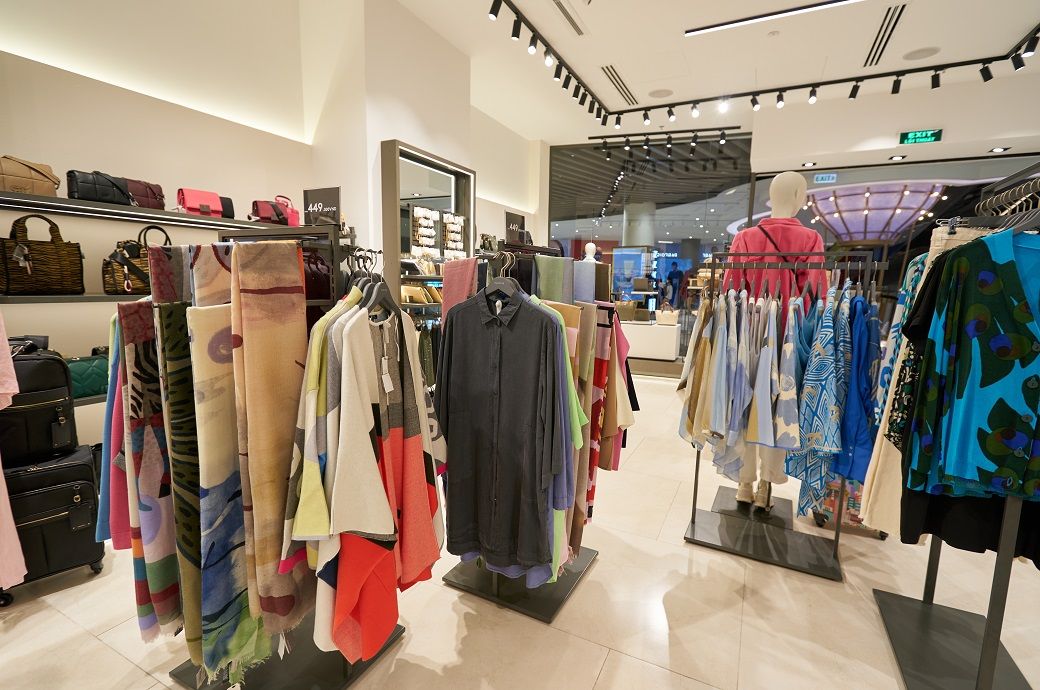
The retail goods sales and service revenue expanded by around 9-10 per cent year on year (YoY), marking the strongest growth in five years outside pandemic-affected periods. The acceleration reflects a broad-based recovery in purchasing power and improving consumer confidence, supported in part by the long running ‘Vietnamese Prioritise Vietnamese Goods’ campaign, which continues to strengthen demand for domestically produced items.
The online retail turnover climbed to $32 billion in 2025, accounting for nearly 12 per cent of total retail sales. With annual growth exceeding 20 per cent, Vietnam ranked as Southeast Asia’s second-fastest-growing e-commerce market, driven by corporate investment in digital infrastructure such as cashless payments, inventory systems, online marketplaces and livestream commerce.
The expansion of modern retail formats also reshaped the domestic market. By the end of the year, Vietnam had 1,293 supermarkets and 276 shopping malls nationwide, alongside 8,274 traditional markets. This build-out has transformed urban consumption patterns, accelerating the shift from informal trade to organised retail channels.
However, the report highlighted persistent regional imbalances. Almost half of modern retail outlets remain concentrated in major cities including Hanoi, Ho Chi Minh City, Da Nang and Hai Phong, while rural, remote and mountainous areas continue to rely heavily on traditional markets with limited access to modern retail services.
Consumer sentiment in 2025 was also influenced by exchange rate volatility, imported inflation pressures, and employment uncertainties linked to automation and artificial intelligence (AI). While domestic retailers have strengthened their market presence, they continue to lag multinational players in scale, technology adoption and management capabilities.
For 2026-2030 period, Vietnam is positioned to remain one of Southeast Asia’s largest and most dynamic retail markets. E-commerce revenue is projected to reach $50 billion by 2030, reinforcing its role as a central pillar of retail growth.
Despite the upbeat headline figures, the report flags several structural vulnerabilities. Vietnam’s deep integration into global markets leaves domestic consumption exposed to external shocks. Ongoing challenges include complex administrative procedures, high land and rental costs, skills gaps in the workforce, uneven infrastructure development in rural areas, and concerns around product quality and market transparency.
ALCHEMPro News Desk (SG)
Receive daily prices and market insights straight to your inbox. Subscribe to AlchemPro Weekly!
 marketing@alchempro.com