|
| 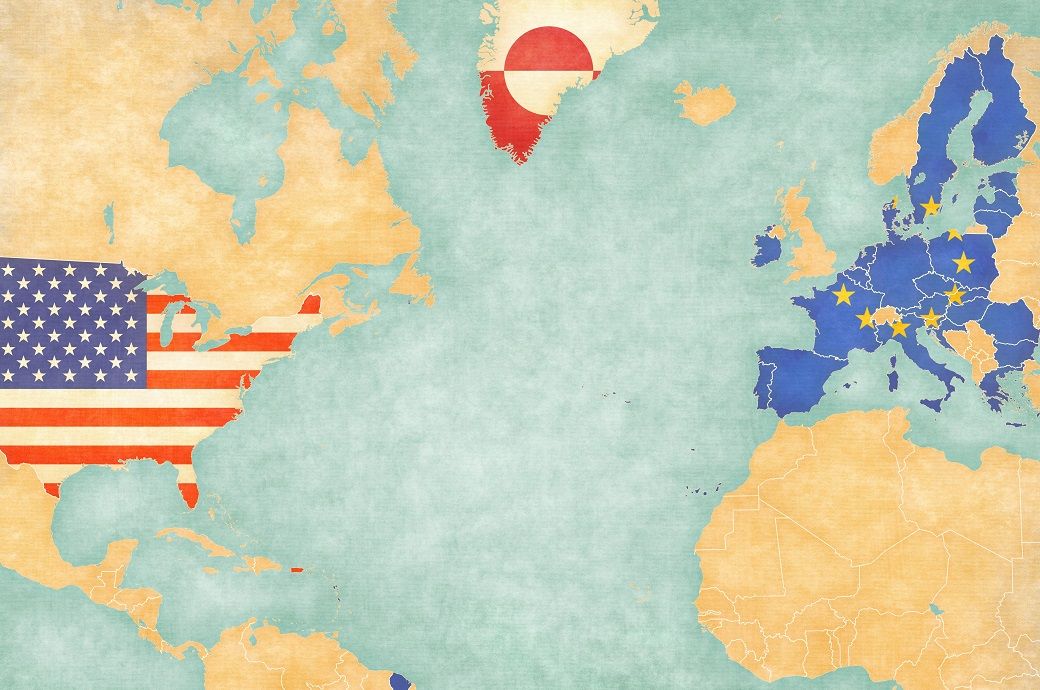
By mid-January, trade policy has re-entered the operating equation. The US administration signalled plans to impose tariffs beginning at ** per cent on goods from several European countries linked to the Greenland dispute, with the prospect of materially higher rates by early summer if negotiations stall. France’s president described the move as unacceptable and urged the European Union to consider deploying its Anti-Coercion Instrument, a step that would mark a significant escalation in the bloc’s trade defence posture. For globally integrated supply chains, the immediate risk is not the tariff itself but the speed at which political disagreement is translating into executable policy.
At the same time, physical flows are beginning to shift. In the second half of January, a major ocean carrier confirmed a phased return to Red Sea and Suez routing on select east–west services, reversing months of longer diversions. The canal typically accounts for around ** per cent of global seaborne trade, and logistics analysts estimate that reinstated transits could shorten Asia–Europe voyages by roughly **–** days. As round trips compress, a modest but meaningful share of vessel capacity is effectively released back into the network, unsettling assumptions built into lead-time buffers and inventory phasing.
Receive daily prices and market insights straight to your inbox. Subscribe to AlchemPro Weekly!
 marketing@alchempro.com