|
| 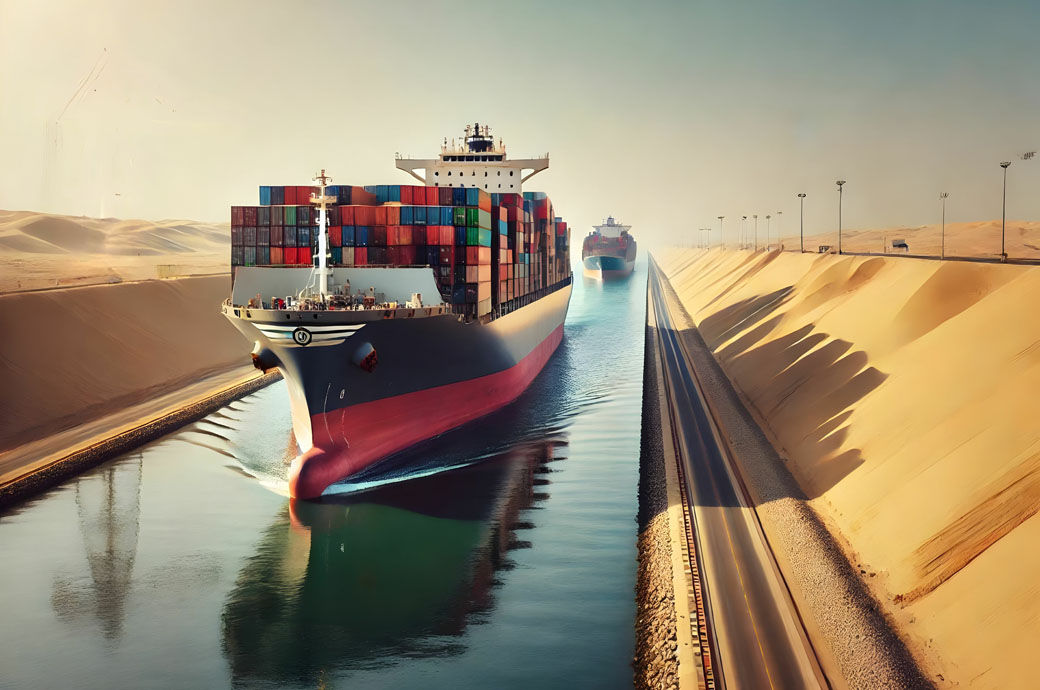
Key trade routes, including the Suez Canal and the Red Sea—crucial for connecting Asia to the Western Hemisphere—are now under threat. The MENA region, a major consumer of labour-intensive goods such as low-end machinery, textiles, and garments, is experiencing significant strain. According to the Global Trade Research Initiative, reduced trade flows will primarily affect low-value, high-volume goods like apparel. Exporters in the region are grappling with rising freight and transportation costs, exacerbated by anticipated oil price surges due to the threat against oil-rich nations.
This analysis focuses on Israel and Iran, two dominant players in the MENA region. While countries such as the UAE, Kuwait, Qatar, and Saudi Arabia have so far maintained a stance of non-engagement, the ongoing spread of the conflict could lead to economic spillovers, affecting not only the MENA region but also its major trading partners and exporters. The situation underscores the fragility of global supply chains in the face of regional conflicts, especially for key industries like textiles.
Receive daily prices and market insights straight to your inbox. Subscribe to AlchemPro Weekly!
 marketing@alchempro.com