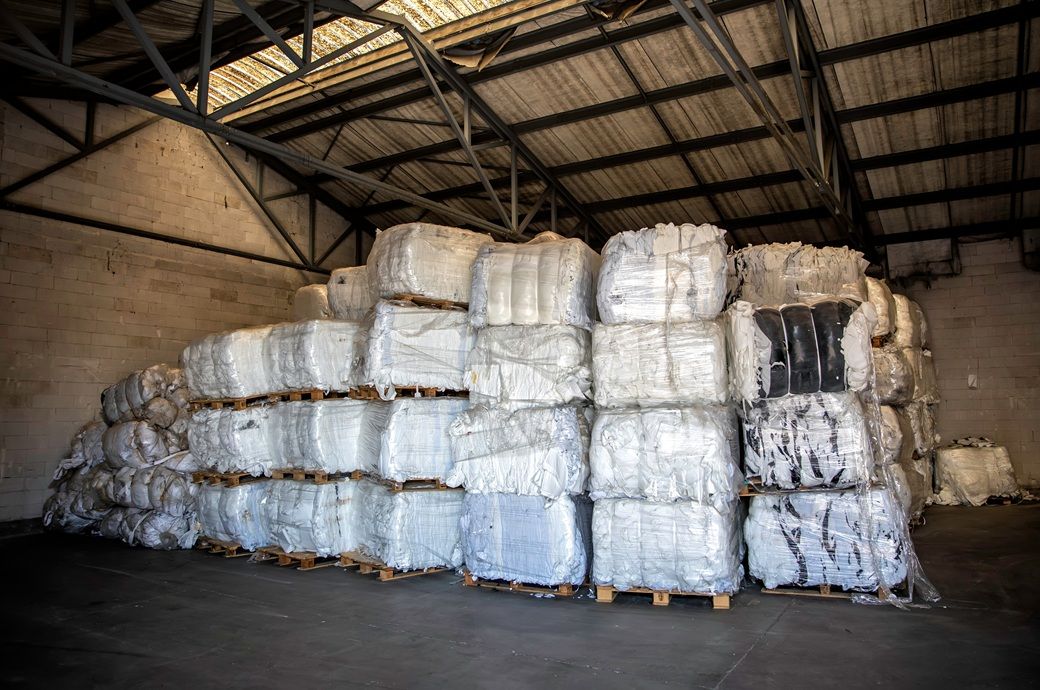
Seventy-four per cent of top textile firms in the country adopted zero liquid discharge (ZLD) processes in fiscal 2024-25 (FY25), led by integrated players, while the industry’s waste recycling rate improved from 77 per cent in FY23 to 80 per cent in FY25, though waste generation rose by nearly 19 per cent.
Both water and waste usage trends point towards the need for strengthening circularity in resource use.
Maturing governance systems across the textile sector companies is another positive development. Fifty-seven per cent of integrated companies have environmental and social governance (ESG) committees; 71 per cent have set emission reduction targets.
The apparel, yarn and fabric segments are making gradual progress towards formal ESG governance frameworks.
However, challenges persist. Energy intensity remains high, particularly in the yarn and fabric segment, with renewable energy share being only 8 per cent in FY25, highlighting urgent need for decarbonisation, a release from the company said.
Only 21 per cent of companies disclose value chain emissions, indicating early-stage supply chain inclusion.
As global frameworks like the European Green Deal and the EU Carbon Border Adjustment Mechanism sharpen focus on carbon-heavy industries, Indian textiles must accelerate decarbonisation and circularity to maintain competitiveness, the company added.
“The transition is under way, but the pace must quicken. Targeted tech investments and collaborative frameworks are key for long-term resilience,” ICRA ESG chief ratings officer Sheetal Sharad said.
ALCHEMPro News Desk (DS)
Receive daily prices and market insights straight to your inbox. Subscribe to AlchemPro Weekly!
 marketing@alchempro.com