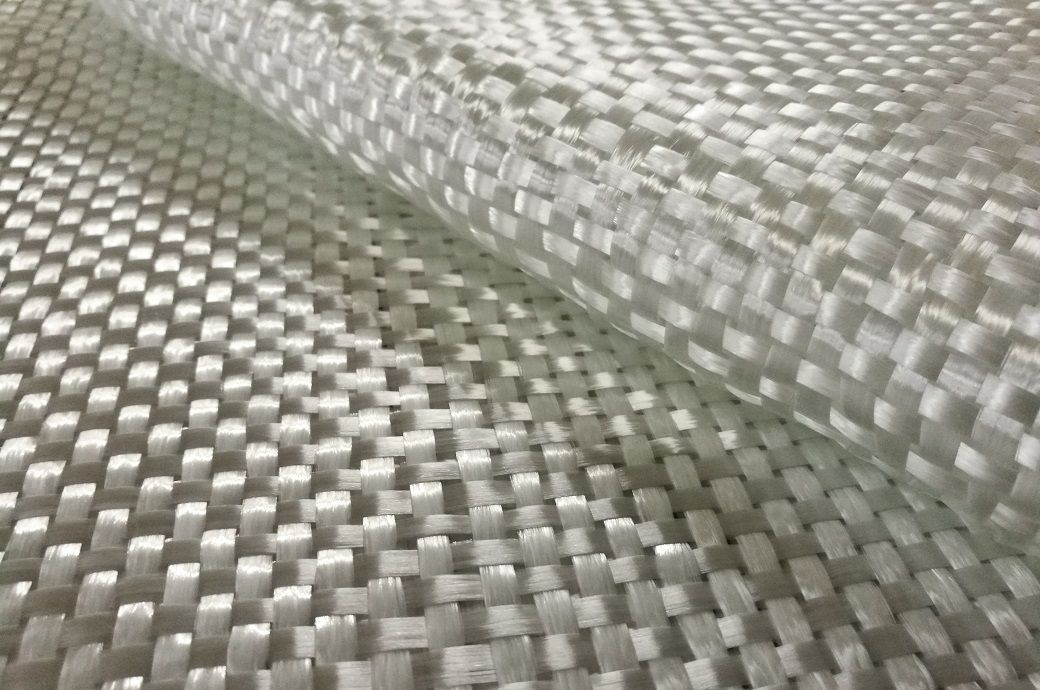
These unusual mechanical properties make auxetic fabrics particularly suitable for protective textiles and textile filter media. While earlier studies largely focused on stiff fibre composites or yarn-level solutions with limited surface effects, the Denkendorf team is pursuing a flexible, fully woven fabric structure with reversible auxetic behaviour, DITF said in a press release.
The researchers have developed special multi-layer woven fabrics with an hourglass-like thickness geometry in both warp and weft directions. Under pressure, the structure compresses, significantly reducing impacts and forces, a key advantage for protective clothing. At the same time, the fabric adapts well to different body shapes. Under tensile stress, it expands in width or thickness, increasing surface area or volume, which is beneficial for filtration applications.
Developed as part of the research project ‘Auxetic Weaving Structures’ (1IF22730N), the fabrics feature an adjustable Poisson’s ratio with clearly negative values, reaching as low as −2. Crucially, the auxetic effect is not limited to a single deformation cycle but can be reliably reproduced under repeated mechanical stress, opening the door to broader industrial and technical textile applications, added the release.
ALCHEMPro News Desk (SG)
Receive daily prices and market insights straight to your inbox. Subscribe to AlchemPro Weekly!
 marketing@alchempro.com