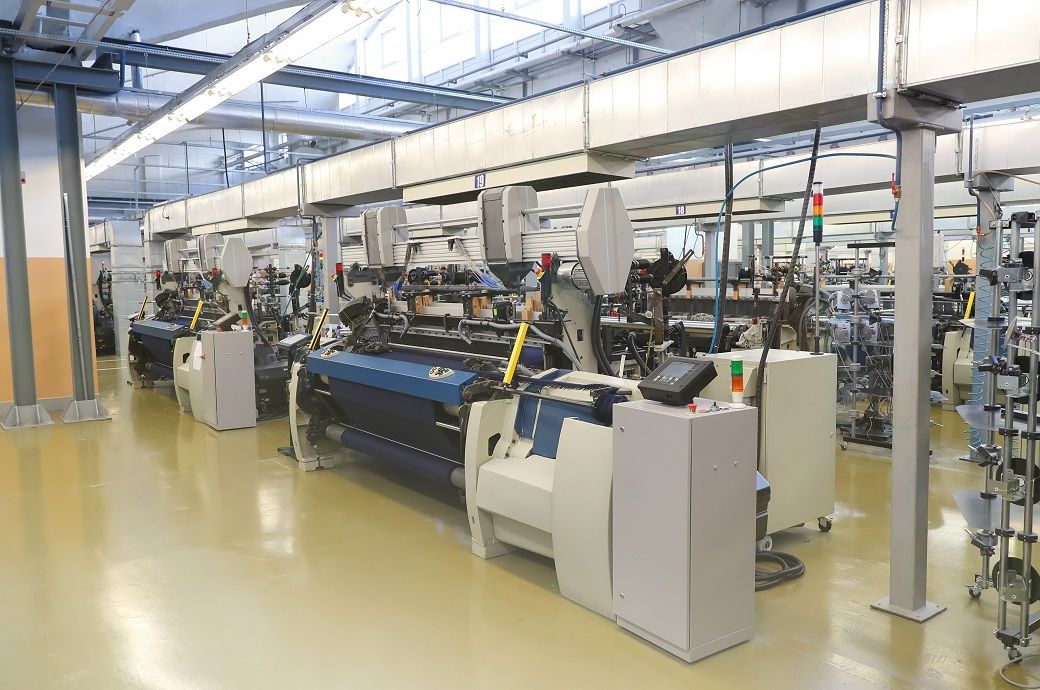
According to a notification issued by the Ministry of Heavy Industries, the Machinery and Electrical Equipment Safety (Omnibus Technical Regulation) Order, 2024 has been rescinded in the public interest with effect from January 14, 2026. The decision removes mandatory compliance requirements that had raised costs and delayed imports of specialised equipment.
The latest step builds on earlier relaxations across the man-made fibre value chain. In recent months, the government had withdrawn QCOs on polyester staple fibre, its raw materials and yarn, as well as viscose fibre, improving access to key inputs for the textile industry.
Industry bodies have consistently argued that access to globally benchmarked raw materials and machinery at competitive prices is essential for Indian manufacturers to compete with major textile and garment exporting countries. The easing of QCO norms is expected to improve productivity, modernisation and cost efficiency across spinning, weaving and knitting segments.
Ashish Gujarati, past president of The Southern Gujarat Chamber of Commerce & Industry, told Fibre2Fashion, “The permanent withdrawal of the QCO brings much-needed policy certainty. Now that the QCO notification has been permanently removed, the industry can now confidently plan investments for the long term. Phase-wise, long-term investment decisions are now possible, especially in modern machinery and capacity expansion.”
The measures align with the government’s broader vision of scaling India’s textile and apparel sector to $250 billion by 2030, including $100 billion in exports, by strengthening competitiveness across the value chain.
ALCHEMPro News Desk (KUL)
Receive daily prices and market insights straight to your inbox. Subscribe to AlchemPro Weekly!
 marketing@alchempro.com