|
| 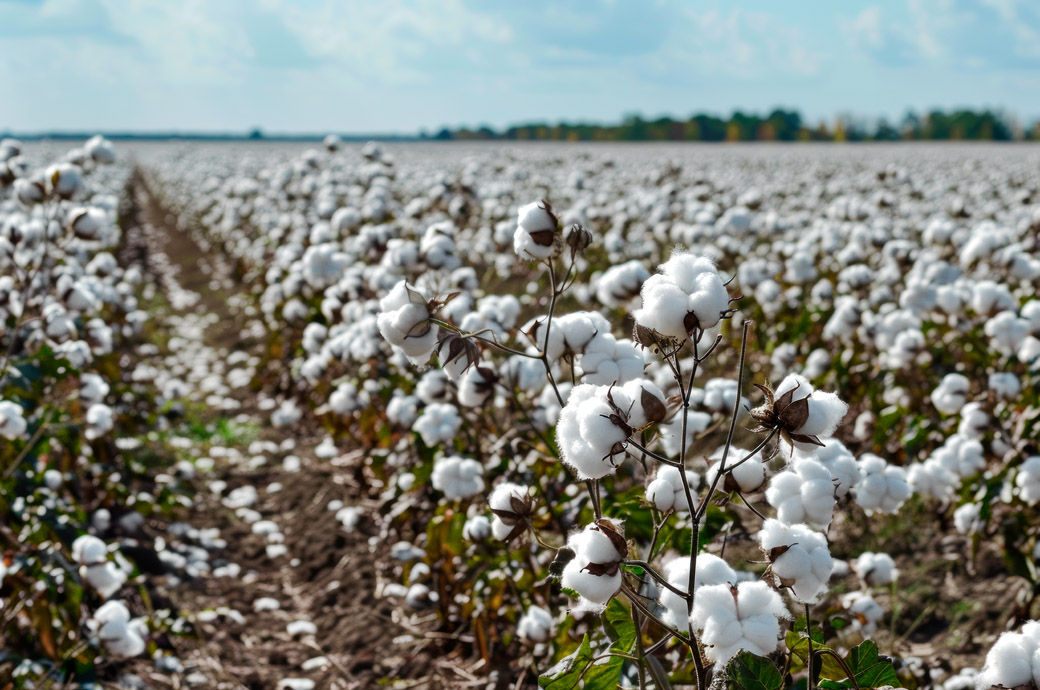
Cotton cultivation has several environmental drawbacks that make it unsustainable. It requires a significant amount of water—around *,*** litres for a single T-shirt—placing immense pressure on water resources, especially in water-scarce regions. Additionally, cotton farming relies heavily on pesticides and fertilisers, leading to soil depletion and water pollution, harming ecosystems and posing health risks to agricultural workers.
The widespread practice of monoculture farming, where cotton is repeatedly grown on the same land, reduces biodiversity and makes crops more susceptible to pests, further increasing chemical usage. These factors contribute to long-term environmental damage, underscoring the need for more sustainable farming practices.
Receive daily prices and market insights straight to your inbox. Subscribe to AlchemPro Weekly!
 marketing@alchempro.com