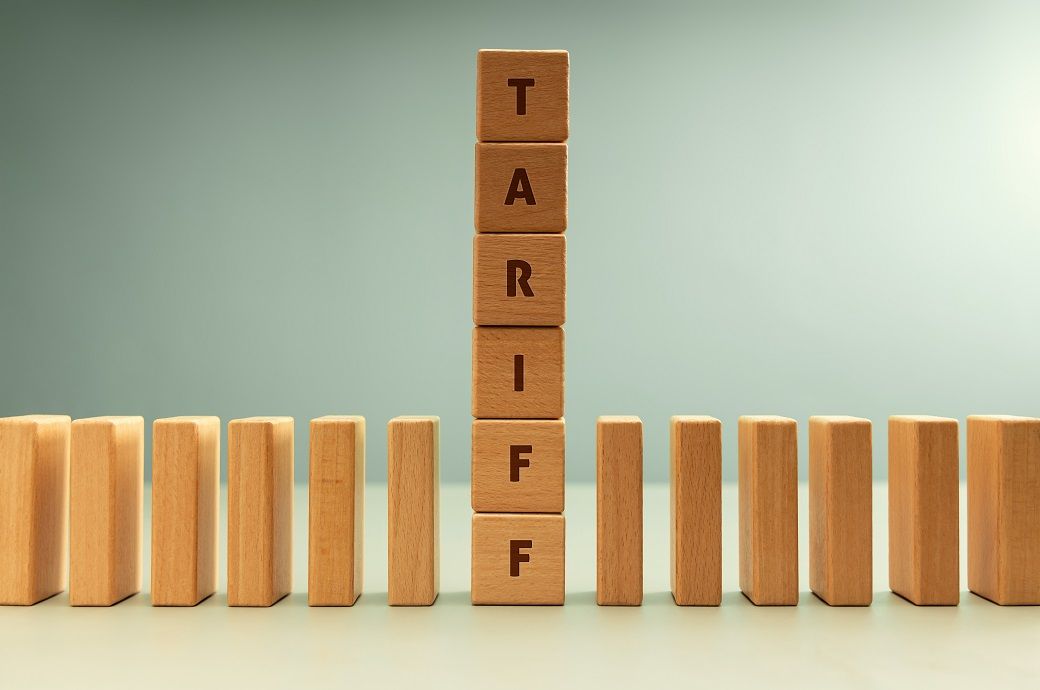
The year 2025 marked a decisive shift toward higher tariffs and disrupted global supply chains, with countries adjusting to a new trade environment shaped by geopolitical developments, the report titled ‘India Fixed Income Outlook 2026’ said.
It said 2026 may be the first full year in which nations begin navigating the realities of a tariff-heavy global system. At present, the average effective tariff rate worldwide stands at 14 per cent.
Global growth and world trade are likely to undergo tectonic shifts, and 2026 could be the year when the implications of higher tariffs become visible across investment, economic growth, inflation, interest rates and currencies, according to the report.
The rising number of bilateral trade agreements, along with each country's individual relationship with the United States, is expected to complicate the global trade and commerce landscape further, it noted.
The second half of 2025 took on a darker tone following a negative tariff surprise for India. While the initial impact appeared to be a short-term blip, the report remarked that the sustained adverse effects over the course of the year began to weigh on several macroeconomic indicators.
These included weakness in the Indian rupee, pressures on trade and balance-of-payments data and additional challenges for the central bank’s liquidity management.
India’s macroeconomic fundamentals remain strong and suggest a ‘golden period’ for the Indian economy, it said.
Uncertainty persists over the timing and outcome of a sound trade deal with the United States, with the wait becoming longer and more uncertain. External developments are, there, likely to play a decisive role in shaping India's economic trajectory as the world transitions into 2026, the report added.
ALCHEMPro News Desk (DS)
Receive daily prices and market insights straight to your inbox. Subscribe to AlchemPro Weekly!
 marketing@alchempro.com