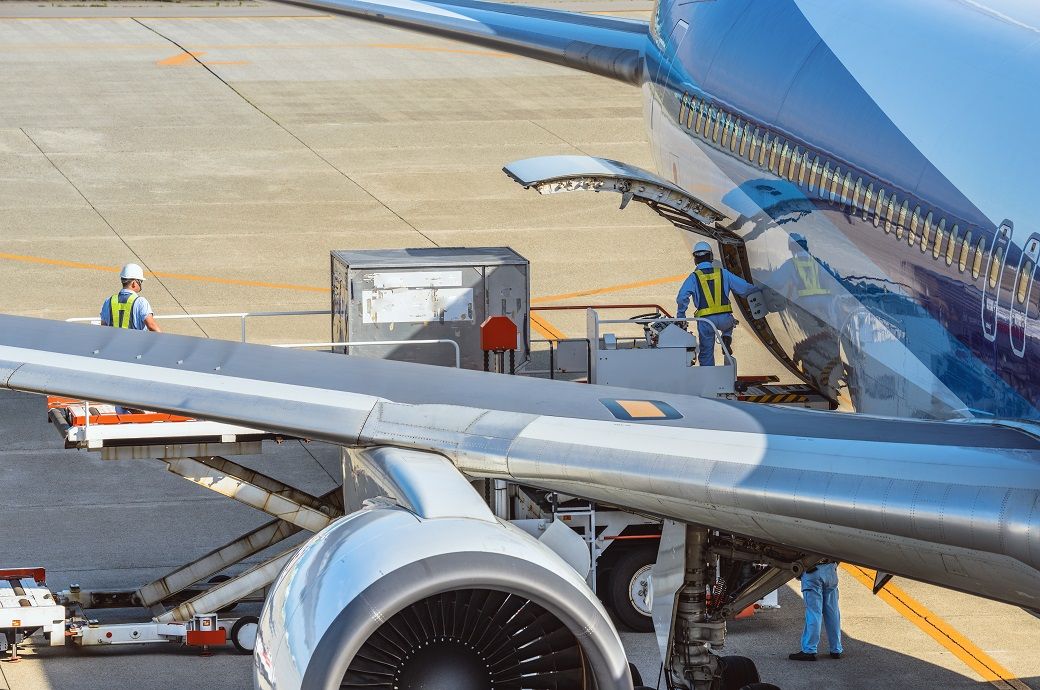
Across Southeast Asia, pre-Chinese New Year (CNY) activity is creating fresh congestion, with export backlogs, holiday disruptions and surging e-commerce volumes putting pressure on key gateways. To ease bottlenecks, China Airlines Cargo (CK) is shifting its Bangkok operations to the Thai Airways (TG) terminal from January 2026 in a bid to improve handling efficiency. However, regional capacity remains constrained as aircraft delivery delays keep belly capacity close to 2025 levels, crowding major transit hubs including Hong Kong, Taipei, Singapore, Incheon (South Korea) and Narita (Japan), Dimerco said in its January 2026 Asia-Pacific Freight Report.
Intra-Asia air rates are also set to climb as the annual block space agreement (BSA) renewal season approaches, with average prices expected to rise by around 10-20 per cent.
On the ocean freight side, global capacity continues to grow, though unevenly across trade lanes. The world container fleet expanded 7.3 per cent YoY to 33.2 million Twenty-foot Equivalent Units (TEUs), with most new tonnage deployed on Middle East-Indian Subcontinent, Asia-Africa and Asia-Europe routes. By contrast, transpacific capacity fell 2.9 per cent, reflecting cautious carrier deployment amid weak US import demand.
Shippers remain wary despite a temporary tariff truce between major economies. Market participants expect only a muted rebound in volumes, with lingering uncertainty over whether shipping lines will resume Red Sea transits or continue routing vessels around South Africa, a factor that could significantly alter capacity dynamics in 2026.
Regionally, Southeast Asia is seeing tightening conditions in both air and ocean freight, while India’s air cargo market has eased after the peak season, though winter fog poses a growing risk to flight schedules. Indian ocean freight rates remain broadly stable, but exporters have been advised to build buffer time for potential inland transport delays.
In North America, airfreight demand typically softens after the year-end retail peak but is expected to firm again ahead of Lunar New Year, lifting spot rates. Ocean freight demand remains weak, with abundant capacity keeping pricing under pressure. Europe, meanwhile, faces fresh disruption from strikes across the UK, Spain, Italy and Portugal, reducing air cargo reliability and effective capacity.
“Until trade activity clearly recovers, any early return to the Red Sea could add excess capacity and further disrupt an already fragile market in 2026,” said Ted Chen, director—Ocean Freight at Dimerco Express Group.
“By the end of 2025, several key Intra-Asia lanes, across both air and ocean freight, have reached historical highs, exceeding even pandemic-period levels. This trend has strengthened carriers’ confidence in a robust market outlook for 2026,” said Kathy Liu, VP, global sales and marketing, Dimerco Express Group.
“Ocean freight will be shaped more by capacity imbalances and regional disparities, with potential disruptions linked to any return to Suez Canal routes. Simultaneously, airfreight remains robust, driven by high-tech and e-commerce demands to North America and Europe,” said Catherine Chien, chairwoman of Dimerco Express Group.
ALCHEMPro News Desk (SG)
Receive daily prices and market insights straight to your inbox. Subscribe to AlchemPro Weekly!
 marketing@alchempro.com