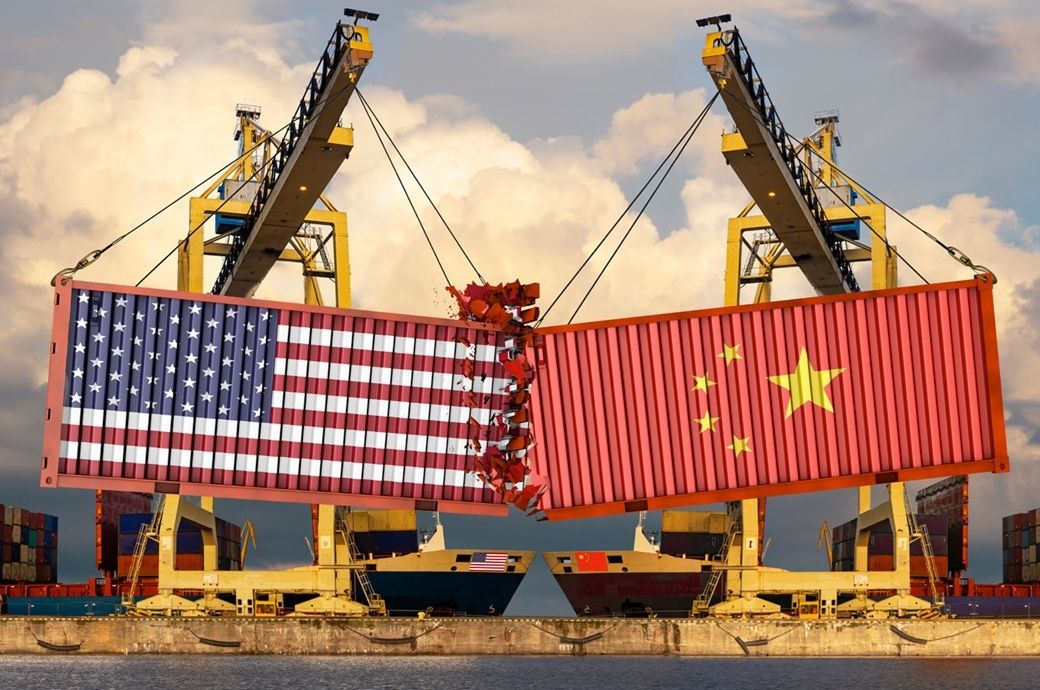
The current US-China trade relationship has evolved into a highly complex one, shaped by a tangled web of tariffs that have been imposed, adjusted, revoked, and reinstated going back to 2018. The tariff war, first began under Trump administration 1 and continued throughout the Biden presidency, only escalated significantly since Trump took office second time again in January 2025. Many of the US-imposed tariffs are stacked, meaning multiple duties apply simultaneously on the same goods, thus significantly increasing the overall cost of imports from China. This system combines a universal base tariff with additional country-specific surcharges, with China facing the highest impact. As of May 2025, the US’s average tariff on Chinese goods stood at 51.1 per cent, covering all imports. This combination of broad and targeted tariffs reflected a strategic shift in US trade policy to balance trade and boost domestic manufacturing.
In October end, the US announced lowering of tariffs on China, implemented earlier in 2025 as punishment for selling chemicals used to make fentanyl, from 20 per cent to 10 per cent, bringing the total combined tariff rate on China down from 57 to 47 per cent. While the US cut tariffs on China, Beijing agreed to allow the export of rare earth elements and start buying American soybeans and other farm products immediately. This was the status at the time of reporting.
Mutual Hit
As highlighted early, the trade relationship between the US and China plays a significant role in shaping global economic dynamics. In 2024, the total goods trade between the US and China reached $582.4 billion, putting the US trade deficit with China at $295.4 billion, an increase of 5.8 per cent over the previous year. The tariffs imposed on China in 2025 contributed to an estimated 14 per cent increase in apparel prices in the US, affecting consumer spending and retail dynamics. The broader economic impact included potential inflationary pressures and adjustments in global trade patterns. According to Goldman Sachs, a 60 per cent US tariff on Chinese imports is estimated to reduce China’s real GDP by roughly 2 percentage points, and the cumulative effect of all recent US tariffs can reduce the US economy’s long-run size by up to 0.6 per cent.
Textile & Apparel Exports
China’s textile and apparel (T&A) exports experienced a 4.5 per cent decline in the first two months of 2025 compared to the same period in the previous year. The reduction in exports led to decreased production, affecting employment and income levels within the sector. Workers in the regions that are heavily reliant on textile manufacturing remained particularly vulnerable to these developments.
Despite this, China’s textile sector showed resilience in succeeding months, maintaining stable export performance despite continued US tariff. Between January and April 2025, the value-added output of textile enterprises with annual revenues exceeding ¥20 (~ $2.8) million rose by 4.2 per cent y-o-y. However, overall industry revenues dipped slightly (–) 0.5 per cent compared to same period in 2024, with textile companies generating a total of ¥1.49 ($0.21) trillion. Export activity remained steady, with combined textile and garment shipments reaching $90.5 billion during the four-month period, reflecting a modest 1.1 per cent y-o-y increase. This came amid a broader downturn in Chinese exports to the US, which saw a sharp drop of 43 per cent, y-o-y, in May 2025. At the same time, the US trade officials raised concerns about the Chinese goods that circumvented direct tariffs by being routed through third-party countries in South Asia.
Retail Orders Deficit
Many Chinese companies originally had major export projects lined up for 2025, involving huge volume orders for textile products which were nearly finalised in April. However, due to the tariffs imposed in April, all exports came to a halt. Shipments could only resume in May and, by August, only small parts of orders could be exported. The differential in procured and actually supplied orders was a direct consequence of the increased tariffs: higher the difference higher the impact of tariffs on the supplier. Many of the products were supposed to be stocked in stores of top retailers, which have strict scheduling requirements set months in advance. Due to shortfall in orders and orders not reaching them on time, the shelf spaces reserved for them were given to other companies.
Steep Tariff Blows
Last year, China’s textile and apparel exports once again exceeded $300 billion, maintaining its position as the world’s top exporter for 30 consecutive years. However, despite being the largest supplier of textiles to the US, China was imposed a 125 per cent tariff by the US government on its textile and apparel, a deliberate strike aimed at reshaping trade dominance and hitting the global textile supply chain where it hurts the most. The steep increase in the US tariffs on Chinese textiles caused major economic losses for China. It severely impacted China’s textile exports, causing a decline in trade, job losses, and a shift in global supply chains. With the US imposing significant tariffs on Chinese textiles, the rates escalated from 4.4 per cent to 38.4 per cent, marking an 873 per cent increase. This sharp rise intensified pressure on Chinese exporters, particularly SMEs in the textile sector.
China, long the undisputed heavyweight of textile manufacturing, contributes over $18.39 billion in exports to the US, making up 22 per cent of imports for the US. China’s variety in textile exports is vast, including cotton knitted products, such as hosiery, apparel, underwear, synthetic fibre dresses, gloves and mittens, nightwear, overcoats, sportswear, and yarns. When the US imposed tariffs in April, crippling the textile industry’s flow to the US, China imposed counter-tariffs of up to 125 per cent on the US goods and 10-15 per cent on the US energy products and industrial equipment, which included textile machinery like weaving, knitting, and dyeing machines.
China faced diminishing market competitiveness with US tariffs reaching up to 114 per cent on high-end items like cashmere jerseys and 129 per cent on specialised apparel. Chinese textile products were made increasingly unviable for American buyers. The steep duties priced Chinese exporters out of a key market. In the past, China had witnessed a 7.6 per cent y-o-y drop in textile exports in 2023, and the trend shows no signs of reversing with global buyers now actively diversifying their sourcing, turning to more affordable alternatives such as Vietnam and Bangladesh. At home, China’s textile sector also grapples with deep-rooted issues, such as rising labour costs, supply chain inefficiencies, and a significant dependence on imported raw materials.
US Importers Felt the Heat
Although the high tariff structure effectively undermined China’s long-held price advantage, it also forced US importers to rethink their sourcing strategies. This involved turning to other options within Asia and, for many, other low-cost manufacturing hubs with strong US trade ties. With Chinese textiles becoming significantly less competitive in the US market, apparel executives were pushed to prepare for substantial changes in supplier relationships, sourcing timelines, and overall business strategy. It must be noted that the big change in the US tariffs was not just about the prices but to change how and where businesses buy their products from.
Currently, approximately 95 per cent of apparel sold in the US is imported, with the majority sourced from China (about 30 per cent), Vietnam (13 per cent), India (8 per cent), Bangladesh (6 per cent), and Indonesia (5.5 per cent). These countries previously faced tariffs of 11-12 per cent, which surged to 38-65 per cent. In response, the US apparel importers had to seek alternative sourcing options in countries with lower tariffs, many of which have higher production costs and often lack the required product ranges or production capacities. This move of theirs to mitigate the impact of tariffs, threatens to reshape global supply chains and eventually reduce China’s dominance in the textile export market. To manage the increased cost of imports impacting their pricing strategies and profit margins, many businesses were forced to re-evaluate their supply chains, while maintaining cost-effectiveness.
What’s Next
The uncertainty surrounding frequent tariff changes made long-term planning difficult for the Chinese exporters. As the trade war between two economic superpowers continues to unfold, businesses must remain agile and ready to adapt to new tariffs and regulations that could arise at any time.
China’s textile industry started relatively early and has long-standing traditional advantages, particularly in the production and processing of raw materials, as well as in related textile technologies, including dyeing and weaving among other procedures. All these segments have been relatively well-developed. Therefore, shunning China and moving to newer sourcing hubs for the US importers and fashion retailers will not be as easy as it seems. While the US orders pose short-term challenges, companies have long been enhancing their core competitiveness, diversifying market strategies, and building international supply chains for the long term.
Although Chinese exports to the US dropped noticeably this year, China resolves to compensate for the losses in the future adopting some measures. The country’s textile industry is currently developing new products and modifying certain processes to strengthen customer loyalty. It is also focusing more on domestic sales, potentially developing new local clients to fill the gap. Additionally, China is exploring emerging markets like South Africa and South America to expand customer base and boost exports.
ALCHEMPro News Desk (SB)
Receive daily prices and market insights straight to your inbox. Subscribe to AlchemPro Weekly!
 marketing@alchempro.com