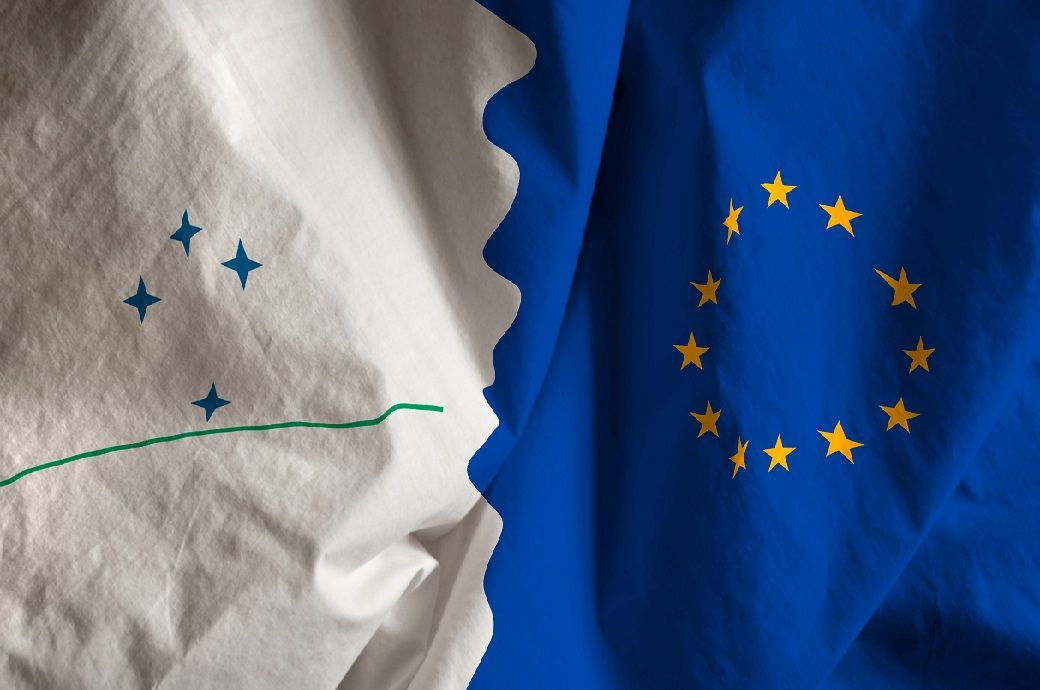
EU representatives and Mercosur members Brazil, Argentina, Paraguay and Uruguay hailed the EMPA as ‘historic’.
Bolivia, the newest Mercosur member, was not involved in negotiations, but can join the agreement in the coming years.
The EMPA will remove trade barriers and make it easier for EU firms to sell goods and services to Mercosur, as well as make it easier to invest there.
It will help the EU secure sustainable access to raw materials, thereby providing the EU industry with much-needed critical raw materials.
It will deliver substantial new commercial opportunities for companies across the EU, driving an estimated 39 per cent increase in annual exports to Mercosur (a value of nearly €49 billion), while supporting hundreds of thousands of EU jobs, the EU said in a release.
It will further integrate value chains between the two regions, helping industries on both sides stay competitive on the global market, the EU said.
High Mercosur tariffs have made European products in Mercosur more expensive. The EMPA will remove import duties on over 91 per cent of EU goods exported to Mercosur. Duties for some products will be liberalised over longer staging periods to allow sufficient time for companies in Mercosur countries to adapt.
Mercosur imposes high tariffs on imports of European products like clothing and textiles (35 per cent), leather shoes (35 per cent) and chemicals (up to 18 per cent). These sectors are also expected to see the largest increases in EU exports to Mercosur.
European Commission President Ursula von der Leyen said the agreement’s “geopolitical importance cannot be overstated” at a moment when the benefits of free trade are again being questioned.
“We are convinced, everyone can and must benefit—in terms of new jobs on both sides, better opportunities for our people and the business sector, and thus higher income,” she said a day before the agreement was signed.
The EMPA allows the EU to further extend preferential access to its exporters and strengthen its political ties with Latin American countries, the EU noted.
Following the signature of the EMPA, both sides will now follow their respective procedures to work towards the ratification of the agreement. The iTA will expire once the EMPA enters into force.
The EU is Mercosur's second-biggest trade in goods partner after China and ahead of the United States.
Fibre2Fashion (DS)
Receive daily prices and market insights straight to your inbox. Subscribe to AlchemPro Weekly!
 marketing@alchempro.com