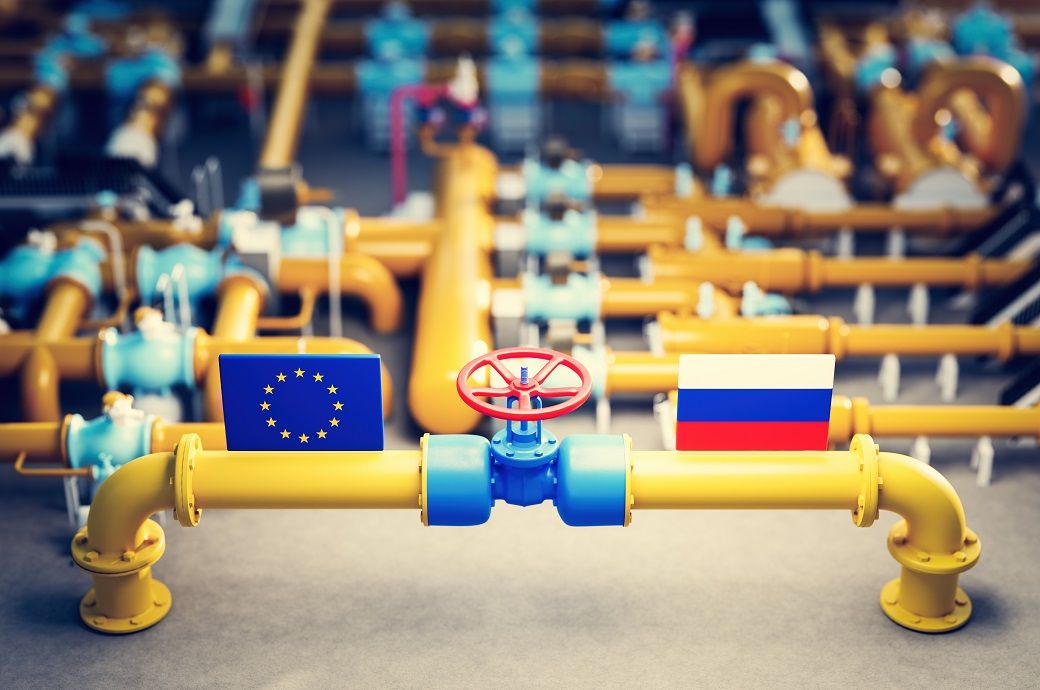
Under the new rules, liquefied natural gas (LNG) imports from Russia will be fully banned by the end of 2026, while pipeline gas will be phased out by autumn 2027. The prohibition will follow a legally binding, step-by-step schedule, with strict transition periods for existing contracts.
Denmark’s minister for climate, energy and utilities, Lars Aagaard, welcomed the agreement, saying, “This is a big win for us and for all of Europe. We have to put an end to EU’s dependence on Russian gas, and banning it in the EU permanently is a major step in the right direction. I am very pleased and proud that we have been able to reach an agreement with the European Parliament so quickly. It shows that we are committed to strengthening our security and safeguarding our energy supply.”
Short-term supply contracts signed before June 17, 2025, will face LNG import bans from April 25, 2026 and pipeline gas bans from June 17, 2026. Long-term LNG contracts will be prohibited from January 1, 2027, consistent with the EU’s 19th sanctions package. Long-term pipeline contracts must cease by September 30, 2027, depending on gas-storage targets, and no later than November 1, 2027, the Council said in a press release.
Only narrowly defined operational amendments will be allowed, without any possibility of boosting volumes.
All Russian gas entering during the transition period will require prior authorisation. Importers must submit information at least one month in advance. Non-Russian gas will require documentation five days before entry, or seven days for shipments via the Strandzha 1 point.
To reduce administrative burdens, imports from major non-Russian suppliers exporting over 5 bcm to the EU in 2024 and restricting Russian gas will be exempt from these procedures. The Commission may update the exempted list to prevent circumvention.
Member states will be required to submit national diversification plans detailing how they will eliminate Russian gas imports within the specified deadlines. Those still importing Russian oil must also submit plans to end those flows. The Commission intends to propose a legislative framework to phase out Russian oil no later than end-2027.
The regulation introduces proportionate and dissuasive penalties for violations, applying to both companies and individuals. It also retains a suspension clause allowing temporary lifting of restrictions in emergencies, but with tighter conditions and limited scope.
The Commission must conduct a review of the regulation within two years of entry into force, including assessment of the authorisation regime.
The provisional agreement now requires formal endorsement by both the Council and the European Parliament before adoption.
ALCHEMPro News Desk (KD)
Receive daily prices and market insights straight to your inbox. Subscribe to AlchemPro Weekly!
 marketing@alchempro.com