

 News Raw Material Prices India begins anti-dumping probe on nylon-6 imports from China & Russia
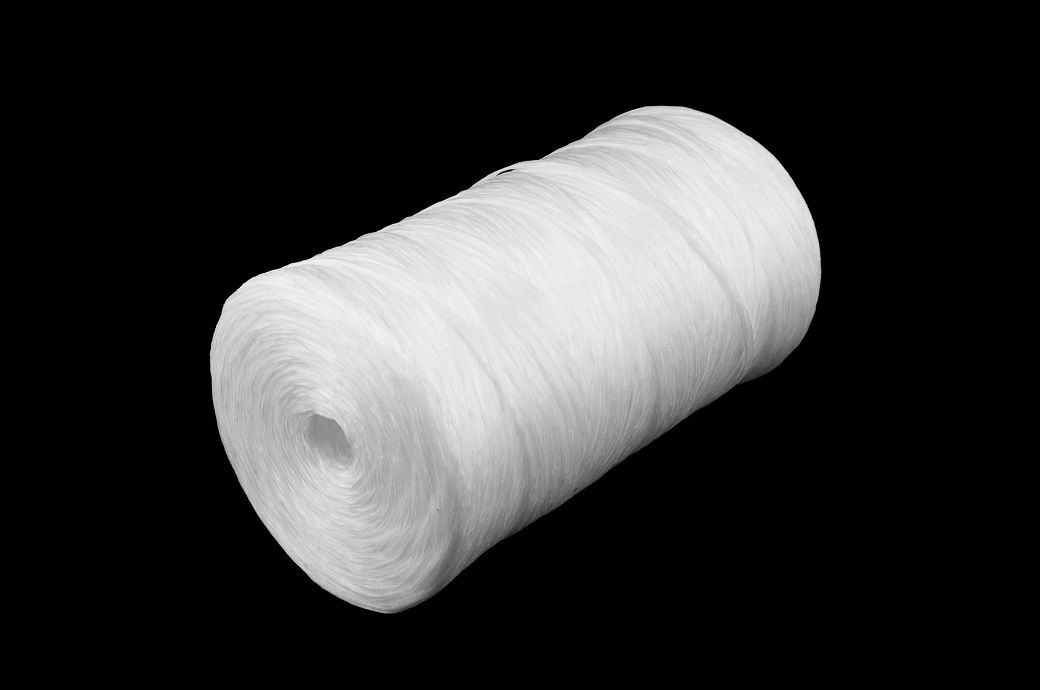
The probe follows an application filed by domestic producer Gujarat Polyfilms, which manufactures textile- and engineering-grade nylon-6 chips with an installed capacity of around 1,200 tonnes per year. The DGTR noted that imports of nylon-6 chips and granules with relative viscosity below three from the two countries have increased sharply in recent years, both in absolute terms and relative to domestic consumption, leading to price suppression, margin erosion and weakened profitability for the domestic industry.
Nylon-6 chips are a key raw material for man-made fibre textiles and are widely used in the production of synthetic yarns, fabrics and industrial textiles, with limited applications in the automotive and electrical segments. The authority observed that imported and domestically produced products are technically and commercially substitutable, sharing similar physical and chemical properties, manufacturing processes and end uses, allowing buyers to switch suppliers largely on price considerations.
India’s reliance on imported nylon-6 has risen markedly. Imports increased from 277,369.6 tonnes valued at $613.81 million in fiscal 2023–24 to 335,242.2 tonnes worth $730.61 million in 2024–25, according to data from the Commerce Ministry. Imports from China surged by over 33 per cent, lifting its share of India’s total nylon-6 imports from around 49 per cent to over 54 per cent. Imports from Russia, though smaller in volume, jumped by over 300 per cent, raising its share from about 1 per cent to 3.5 per cent.
Taken together, China and Russia accounted for nearly 58 per cent of India’s nylon-6 imports in FY25, up from about 50 per cent a year earlier.
In its preliminary assessment, the DGTR found prima facie evidence of dumping, with margins above the de minimis threshold, and identified a causal link between the dumped imports and injury to the domestic producer. The period of investigation covers July 2024 to June 2025, while the injury analysis spans the previous three financial years. If dumping and injury are confirmed, the DGTR may recommend anti-dumping duties to restore fair competition.
For India’s man-made fibre textile value chain, the case has direct implications. Nylon-6 chips are a critical input for yarn spinners and fabric manufacturers, particularly in performance and industrial textiles. Any anti-dumping duty could raise input costs in the short term for downstream users. However, industry bodies argue that stabilising domestic production could reduce long-term dependence on volatile imports and improve supply security.
MSME representatives stressed that any trade remedial action must be accompanied by measures to ensure adequate, reliable and competitively priced domestic supply, to avoid disruption to textile production and exports in an already price-sensitive global market.
ALCHEMPro News Desk (KUL)
Receive daily prices and market insights straight to your inbox. Subscribe to AlchemPro Weekly!
 marketing@alchempro.com
