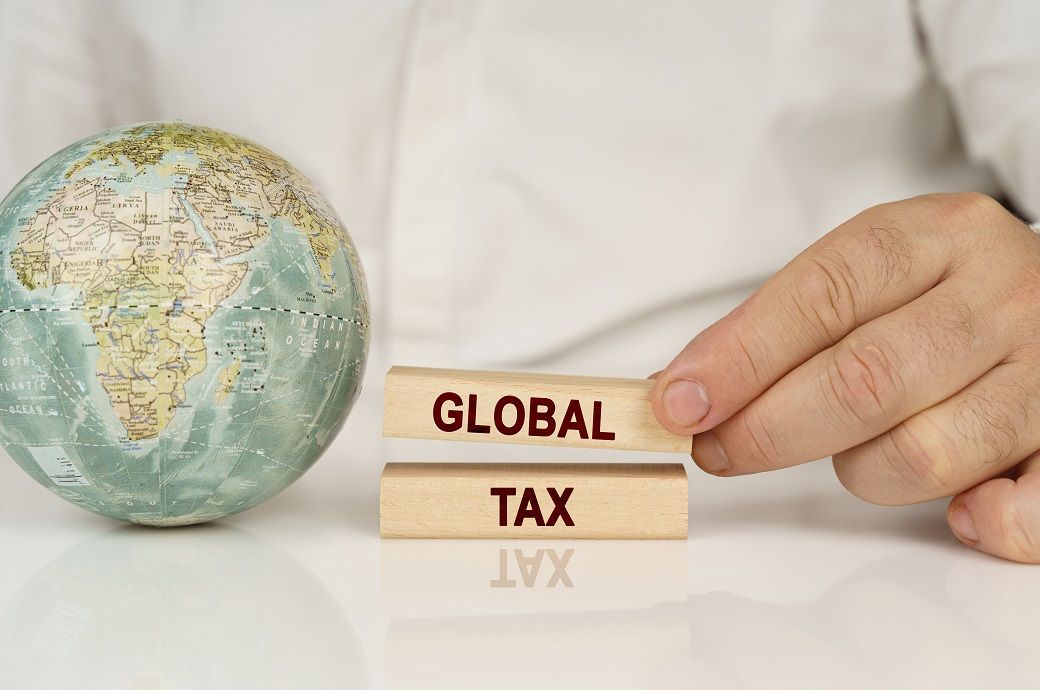
A total of 147 countries and jurisdictions participating in the OECD/G20 Inclusive Framework on Base Erosion and Profit Shifting have agreed on key elements of a package that charts the next phase of the global minimum tax in a digitalised and globalised economy.
Announced after months of negotiations, the package establishes a ‘side-by-side’ arrangement designed to ensure stability and certainty in the international tax system. It aims to preserve gains already achieved under the global minimum tax framework while safeguarding the ability of jurisdictions, especially developing countries, to exercise first taxing rights over income generated within their borders.
A central pillar of the agreement is a set of simplification measures intended to reduce compliance and administrative burdens for multinational enterprises and tax authorities when calculating and reporting liabilities under the global minimum tax rules, the Organisation for Economic Co-operation and Development (OECD) said in a release.
The package also further aligns the global treatment of tax incentives through the introduction of a new targeted substance-based tax incentive safe harbour, addressing concerns around competitiveness and consistency across jurisdictions.
In addition, new safe harbours will apply to multinational groups whose ultimate parent entity is located in an eligible jurisdiction that meets minimum taxation requirements, providing greater certainty for qualifying groups.
To maintain a level playing field, the agreement establishes an evidence-based stocktake process to assess implementation and outcomes across Inclusive Framework members over time.
Finally, the package reinforces the role of qualified domestic minimum top-up tax regimes as a primary mechanism for protecting local tax bases, underscoring their importance for developing countries within the global minimum tax architecture.
“The Members of the Inclusive Framework are to be commended for their work in finalising this package, which enhances tax certainty, reduces complexity, and protects tax bases. I look forward to seeing the Inclusive Framework take forward the implementation of this package, as well as to future proposals for further simplifications of the global minimum tax rules and compliance burdens,” OECD secretary-general Mathias Cormann said.
ALCHEMPro News Desk (HU)
Receive daily prices and market insights straight to your inbox. Subscribe to AlchemPro Weekly!
 marketing@alchempro.com