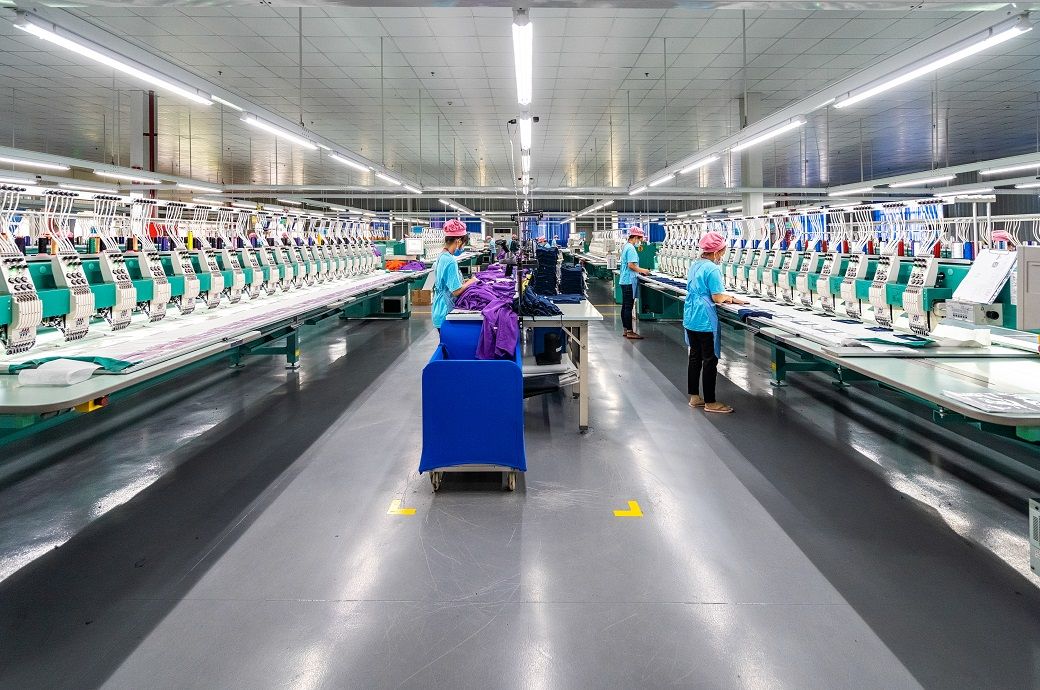
Manufacturing output rose again in December, extending the current expansion phase to eight months. While the pace of growth softened to a three-month low, firms cited improved weather conditions and steady gains in new orders as key drivers of higher production. New business increased for a fourth straight month, reflecting improving customer demand, although growth moderated from November levels, S&P Global said in a press release.
Export demand, however, remained a weak spot. New export orders declined for the first time in three months, partially constraining overall new business growth.
Higher output requirements prompted manufacturers to expand staffing levels, with employment rising for the third consecutive month. Increased workforce capacity, combined with calmer weather, helped firms reduce backlogs of work for the first time in three months.
Despite improved conditions in December, the lingering impact of severe storms and flooding earlier in the year continued to weigh on supply chains. Material shortages remained widespread, leading to a marked lengthening of suppliers’ delivery times, close to the three-and-a-half-year record seen in November.
Input cost inflation accelerated sharply, reaching its fastest pace since June 2022. Survey respondents attributed the rise to scarce raw materials and unfavourable exchange rate movements. Output prices increased solidly in response, with inflation running well above the 2025 average and broadly unchanged from November.
Purchasing activity rose sharply as firms sought to secure materials amid higher output requirements, with growth accelerating to a 16-month high. Stocks of inputs increased for the third consecutive month, while inventories of finished goods fell as products were dispatched promptly to customers.
Looking ahead, business confidence strengthened further, reaching its highest level since March 2024. Nearly half of surveyed firms expect output to rise over the coming year, supported by improving demand, new product launches and expanded production capacity.
“The Vietnamese manufacturing sector ended a turbulent year on a positive note, with output and new orders rising solidly again and business confidence hitting a 21-month high. To some extent, firms were able to benefit from calmer weather conditions in December, expanding output and working through backlogged projects,” said Andrew Harker, economics director at S&P Global Market Intelligence.
“The lingering effects of the recent storms and flooding were apparent in terms of material supply, however, with vendors' delivery times lengthening markedly again and input cost inflation hitting a three-and-a-half-year high. The disruption to supply should hopefully begin to ease in the months ahead as firms find it easier to bring in raw materials,” added Harker. “Overall, the sector goes into 2026 in a positive position, with manufacturers optimistic of securing new business and being able to expand their production capacity. S&P Global Market Intelligence forecasts industrial production growth of 6.7 per cent in 2026.”
ALCHEMPro News Desk (SG)
Receive daily prices and market insights straight to your inbox. Subscribe to AlchemPro Weekly!
 marketing@alchempro.com