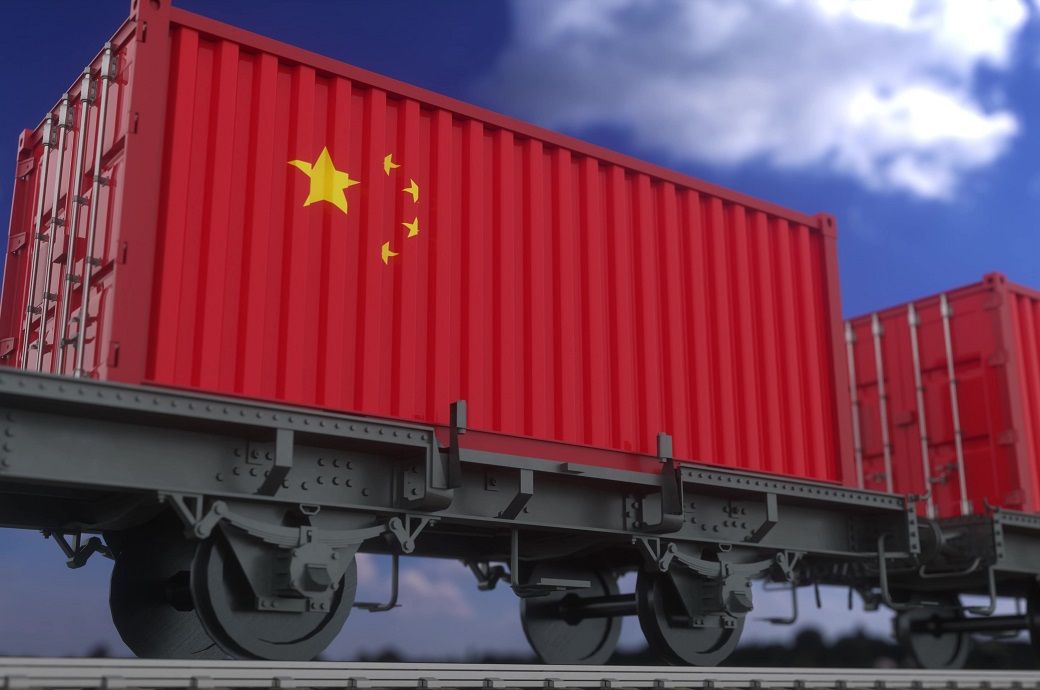
Cargo flows remained balanced, with 7,01,000 TEUs moving from western provinces including Sichuan, Chongqing and Yunnan to southern gateways such as Beibu Gulf and Zhanjiang ports, up 40.4 per cent. Shipments from coastal ports to inland western regions reached 7,24,000 TEUs, registering a stronger 55.3 per cent increase, said Chinese media reports.
The operational upgrades supported the growth. The approved catalogue of containerised cargo was expanded to more than 11,000 items, covering almost all container-suitable goods, while scheduled train services increased to 44 routes, 21 more than at the end of 2024.
The corridor is now fully integrated with the China-Europe Railway Express and China-Central Asia freight services, enabling regular international routes for general cargo. Linking the Silk Road Economic Belt with the 21st Century Maritime Silk Road, the network has become a key logistics artery connecting inland China with ASEAN and global markets since its pilot launch in 2017.
ALCHEMPro News Desk (SG)
Receive daily prices and market insights straight to your inbox. Subscribe to AlchemPro Weekly!
 marketing@alchempro.com