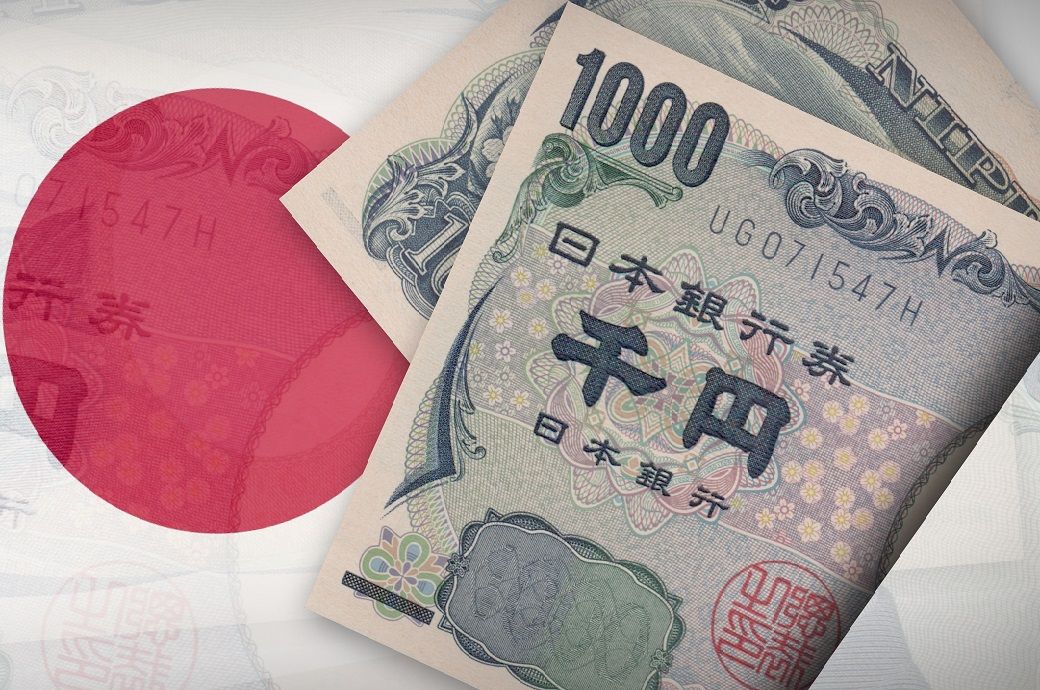
The decision was made by a unanimous vote.
"Real interest rates are expected to remain significantly negative after the policy change, and accommodative financial conditions will continue to firmly support economic activity," the central bank said in a statement announcing the decision.
The move underscored the central bank's conviction that Japan was on course to stably hit its 2-per cent inflation target backed by wage gains, and ready for a continued normalisation of monetary policy.
"Given that real interest rates are at significantly low levels, the BOJ will continue to raise interest rates and adjust the degree of monetary accommodation" if its economic and price forecasts materialise, the statement said.
The rate hike would also bring rates closer to levels deemed neutral to the economy, which the BOJ estimates as in a range of 1 per cent to 2.5 per cent, and complicate the bank's decision on how far to push up borrowing costs.
Latest data showed core consumer inflation hit 3 per cent in the country in November, steady from the previous month and well exceeding the central bank’s target.
Recent yen declines, which push up import costs and broader inflation, also helped the BOJ convince the government of the need for another rate increase.
The economy has shown resilience to higher US tariffs. Recent central bank surveys showed business confidence hitting a four-year high and many firms planning pay hikes next year.
ALCHEMPro News Desk (DS)
Receive daily prices and market insights straight to your inbox. Subscribe to AlchemPro Weekly!
 marketing@alchempro.com