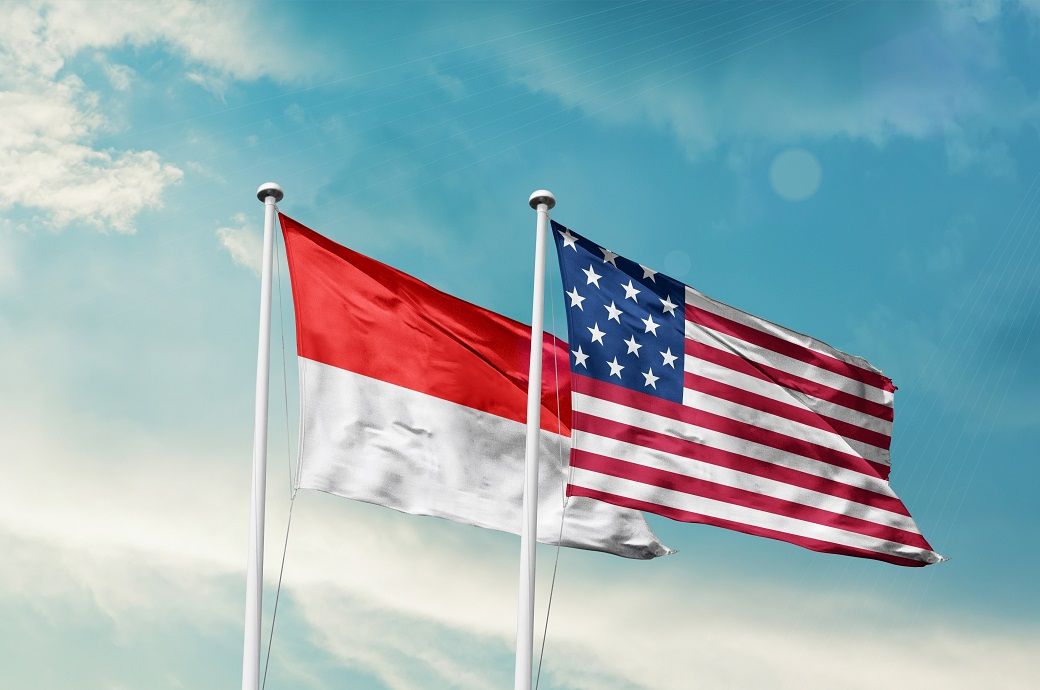
Hartarto said the United States wanted access to Indonesia's critical minerals and had agreed to give tariff exemptions to its palm oil, tea and coffee.
The United States had earlier this month accused Indonesia of backtracking on prior commitments, but Jakarta later said their ‘dynamics’ were normal and it was just a matter of ‘harmonising the language’.
"The main thing, of course, is providing balanced market access for American products, and at the same time, market access for Indonesia to the US," Hartarto was quoted as saying in a video briefing with Indonesian journalists.
“All of the substantive issues that have been regulated in the ART (Agreement on Reciprocal Tariff) document have been agreed by both parties, both the main and technical issues,” he said.
No provision exists in the agreement that would limit Indonesia from signing trade deals with other countries, Hartarto said.
"No Indonesian policies are restricted by this agreement. This agreement is commercial and strategic in nature, and benefits the economic interests of both countries in a balanced manner," he said.
Without offering details, a statement released by Hartarto’s office said the deal would also cover cooperation in digital trade, technology and national security matters.
Trump in July slashed the tariff faced by Indonesia from 32 per cent to 19 per cent in return for Indonesia's promises to remove tariff and non-tariff barriers facing American exports, as well as to buy more American goods to close the trade gap.
USTR data shows the United States’ goods trade deficit with Indonesia was $17.9 billion in 2024—up by 5.4 per cent year on year.
ALCHEMPro News Desk (DS)
Receive daily prices and market insights straight to your inbox. Subscribe to AlchemPro Weekly!
 marketing@alchempro.com